
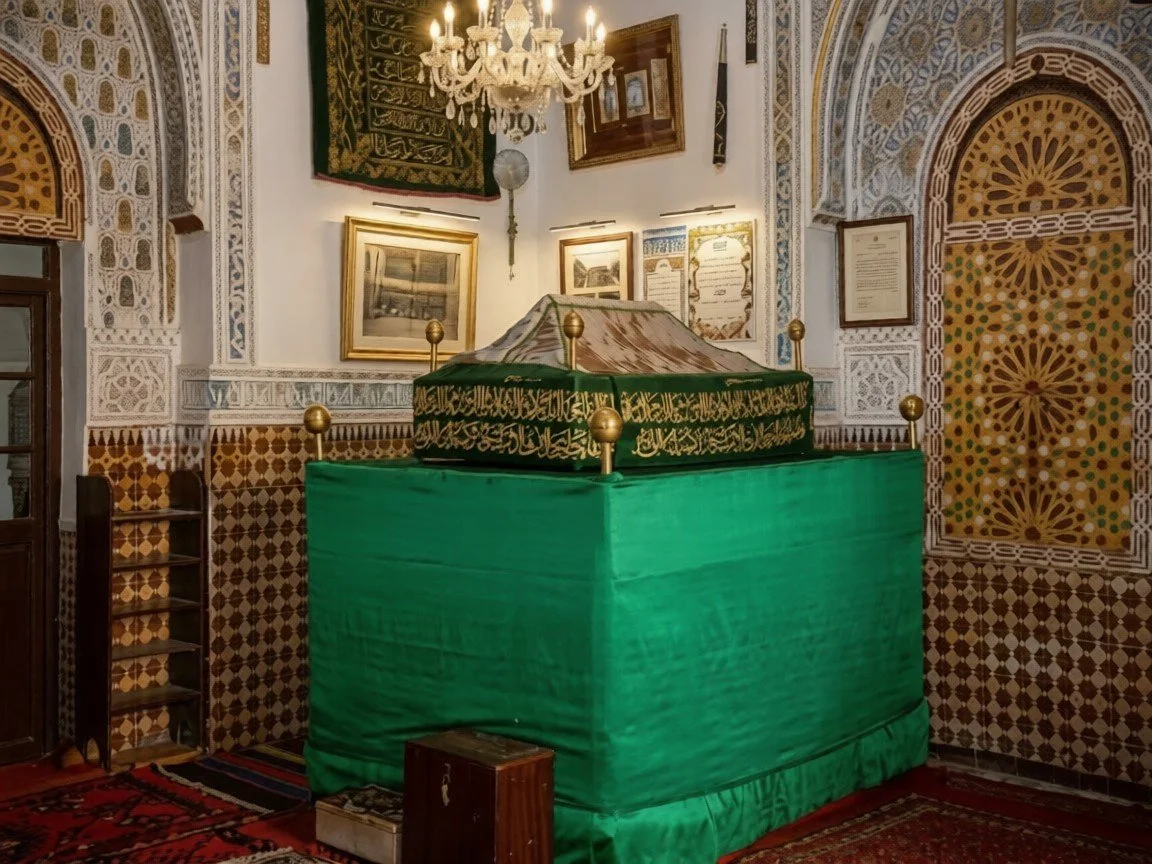
Abu Muhammad Salih al-Majiri: The Ghawth of Asafi and the Saint Who Linked Morocco to Mecca
Abū Muḥammad Ṣāliḥ al-Mājirī (d. 631/1234) — the Maṣmūda saint from Āsafī who spent twenty years in Ayyūbid Alexandria, endured three khalwas under al-Jīlānī in Baghdad, founded the Ḥujjājiyya that linked Morocco to the Ḥaramayn, raised the orphan heir of the Ḥarāzimī rābiṭa, and whose silsila al-Buṣayrī certified in a dedicated qaṣīda calling him Ghawth al-Wujūd. Drawing on the Minhāj al-Wāḍiḥ and primary sources, this article reconstructs the life of the saint whose institutional achievement prepared the ground for the Shādhiliyya itself.
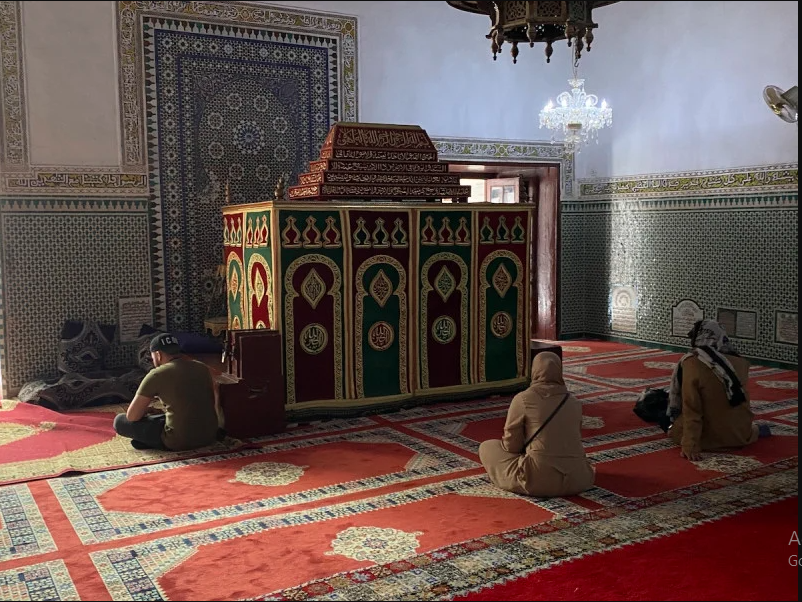
Against the Corrected Shaykh: Imam Al-Jazuli and the Politics of Prophetic Proximity
In 869/1465, two answers competed for Morocco's soul. Zarruq offered the corrected shaykh — authority verified by law, earned through discipline, revocable by scholarly judgment. Al-Jazūlī offered prophetic blood — sharīfian nasab as the isnād that no critique could reach, the Dalāʾil al-Khayrāt as cosmological portrait, and a dawla already constituted. Morocco chose. This article is about what it chose — and what it could not abandon.
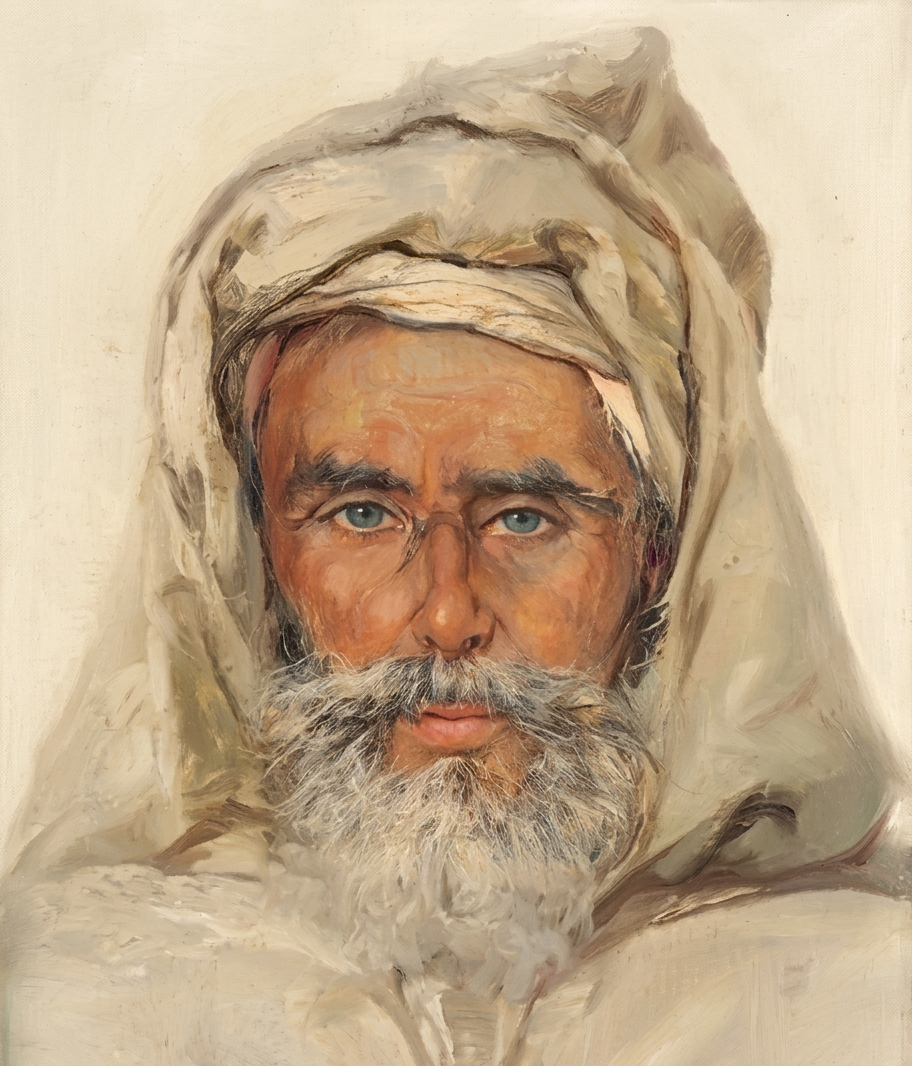
The Other Leg: Why Moroccan Sufism Is Incomplete Without Shaykh Zarrūq
Aḥmad Zarrūq al-Fāsī (d. 899/1493) fixed Sufism's broken compass and sent Morocco its wildest saints. The architect behind al-Dabbāgh, the Darqāwiyya, and the Tijāniyya — buried in an unknown grave in Libya, unvisited by the civilization he built.