
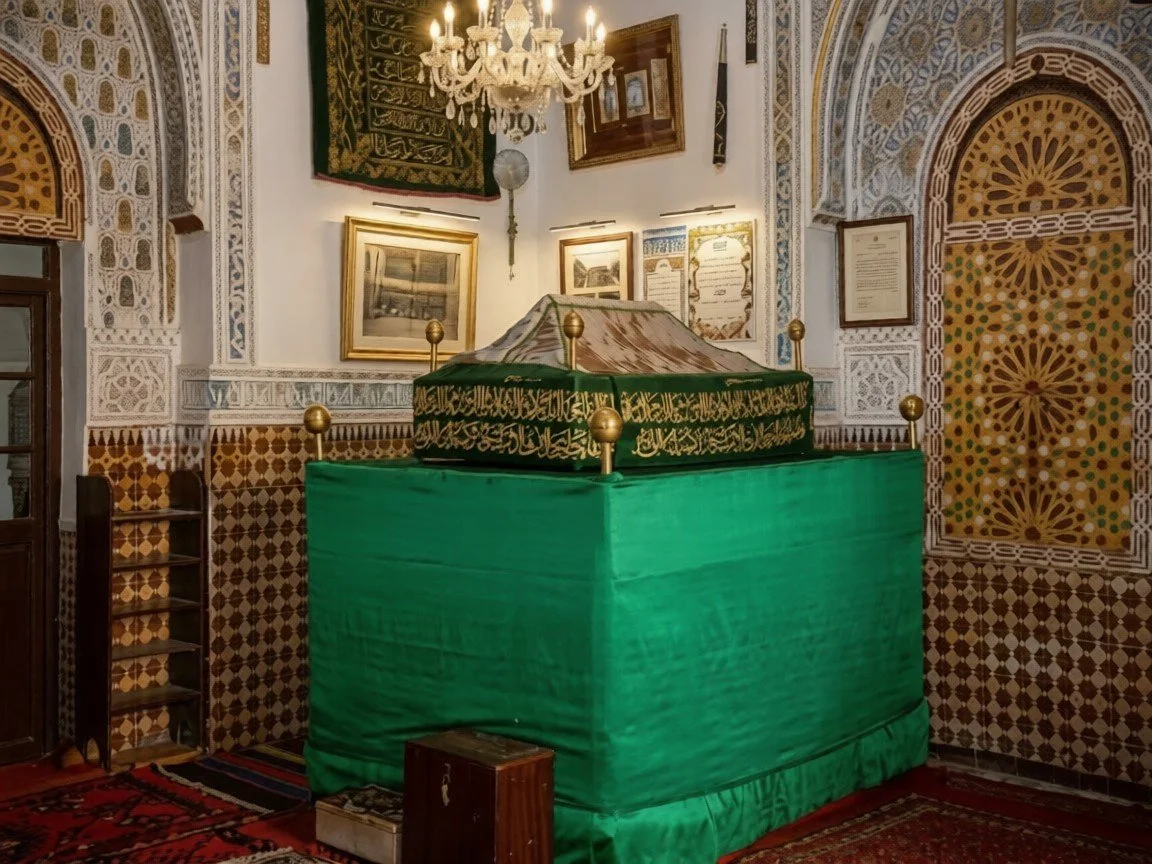
Abu Muhammad Salih al-Majiri: The Ghawth of Asafi and the Saint Who Linked Morocco to Mecca
Abū Muḥammad Ṣāliḥ al-Mājirī (d. 631/1234) — the Maṣmūda saint from Āsafī who spent twenty years in Ayyūbid Alexandria, endured three khalwas under al-Jīlānī in Baghdad, founded the Ḥujjājiyya that linked Morocco to the Ḥaramayn, raised the orphan heir of the Ḥarāzimī rābiṭa, and whose silsila al-Buṣayrī certified in a dedicated qaṣīda calling him Ghawth al-Wujūd. Drawing on the Minhāj al-Wāḍiḥ and primary sources, this article reconstructs the life of the saint whose institutional achievement prepared the ground for the Shādhiliyya itself.
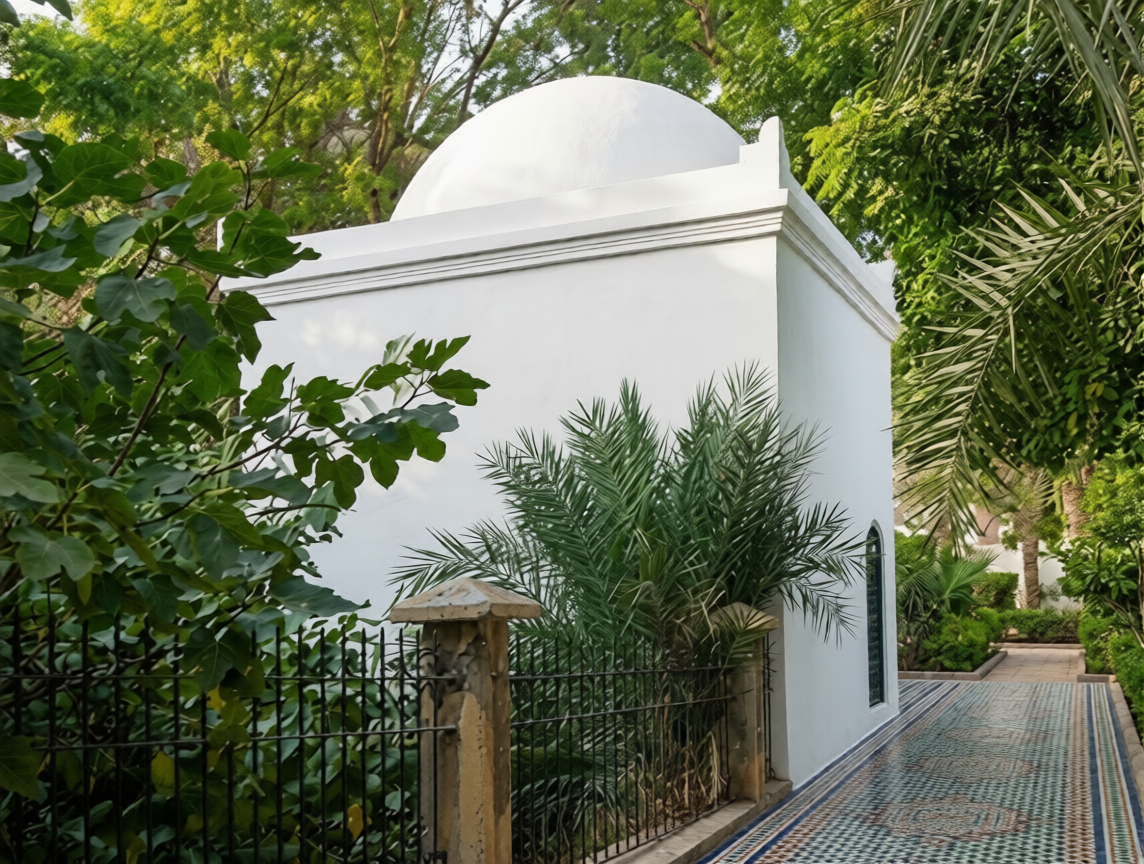
Sidi Muhammad ibn Harazim: The Son Who Became the Compass of Moroccan Sufism
Who was Sīdī Ḥarazem (Sīdī Muḥammad ibn ʿAlī ibn Ḥirzihim, d. c. 633/1235), the saint behind Morocco’s famous mineral water? This study reconstructs the life of the son of Sīdī ʿAlī ibn Ḥirzihim, student of Abū Madyan and Abū Muḥammad Ṣāliḥ, and teacher of Abū al-Ḥasan al-Shādhilī, exploring his role in the Ḥarāzimī rābiṭa of Fez, the formation of Moroccan Sufism, and the sacred history of Ḥammat Khawlān beside the springs that still bear his name.
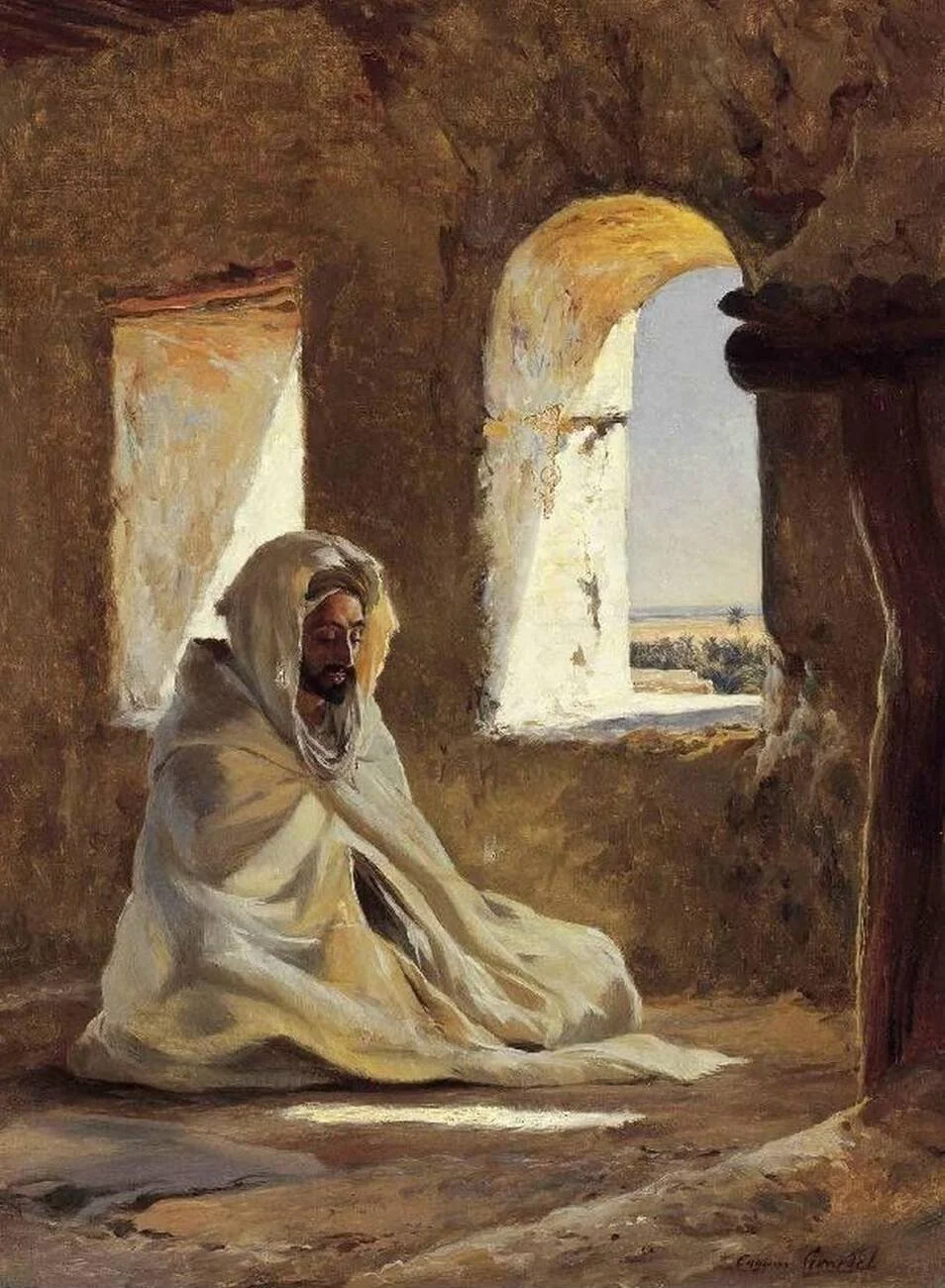
The Marabout Tradition of Morocco: An Idrīsid Phenomenon
This study argues that ribāṭs represent the earliest form of institutional Islam in Morocco, emerging in the 3rd/9th century as a spatial and social response to Idrīsī political fragmentation — not as creations of the Murābiṭūn or juridical institutions shaped by Mālikī orthodoxy. The marabout tradition that defines Morocco's religious landscape was Idrīsid before it was Almoravid. By re-centering ribāṭs as foundational Idrīsī structures, this article reframes Moroccan Islamic history around continuity, genealogy, and territorial legitimacy.