
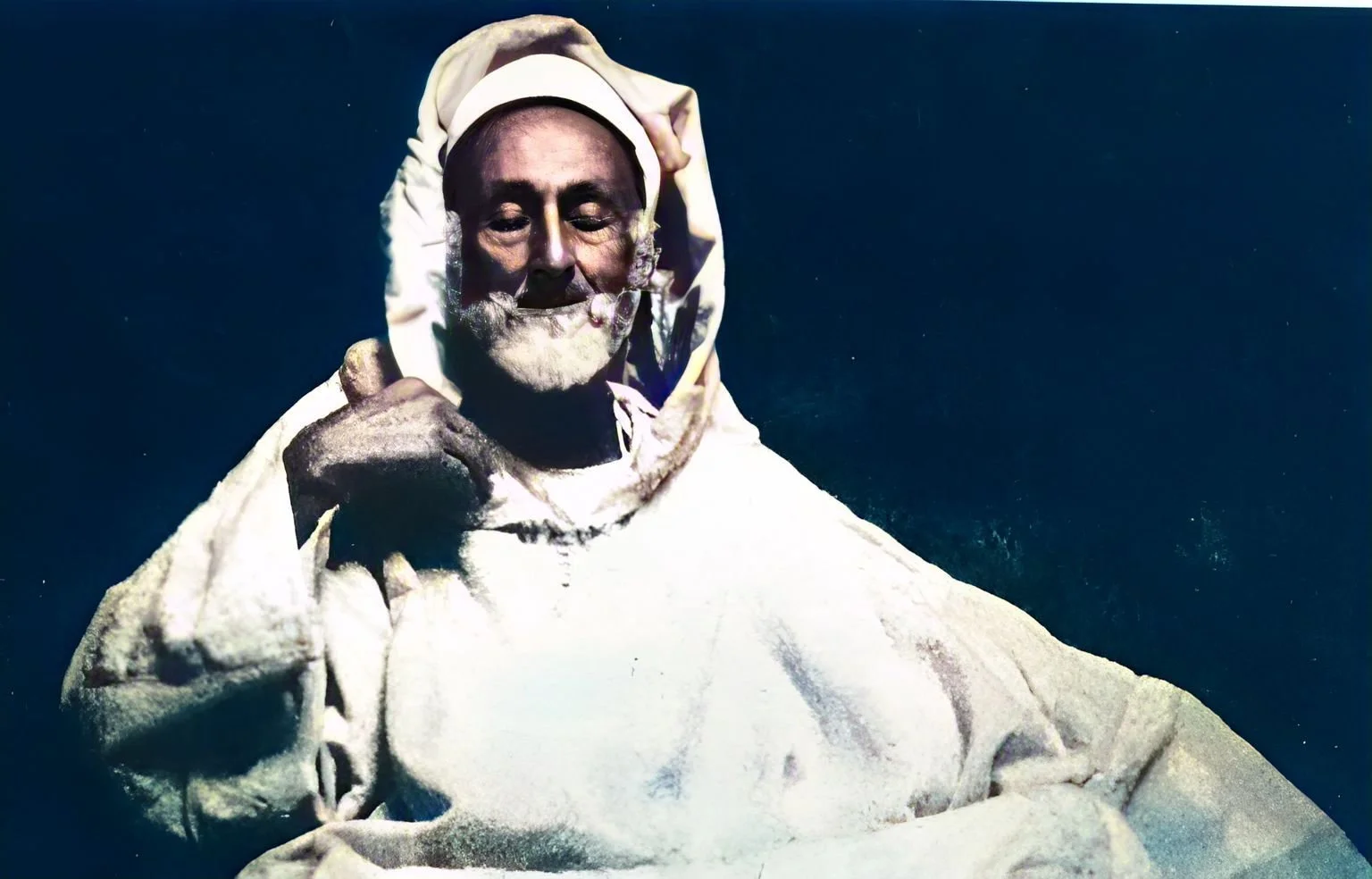
Neither Caliph nor Imam: The Third Heir of the Holy Prophet ﷺ
This article explores Sufism as Islam’s inner path, tracing its hidden dialogue with Sunni and Shīʿī thought, its metaphysics of inheritance, and Morocco’s unique transformation of sanctity into political theology.
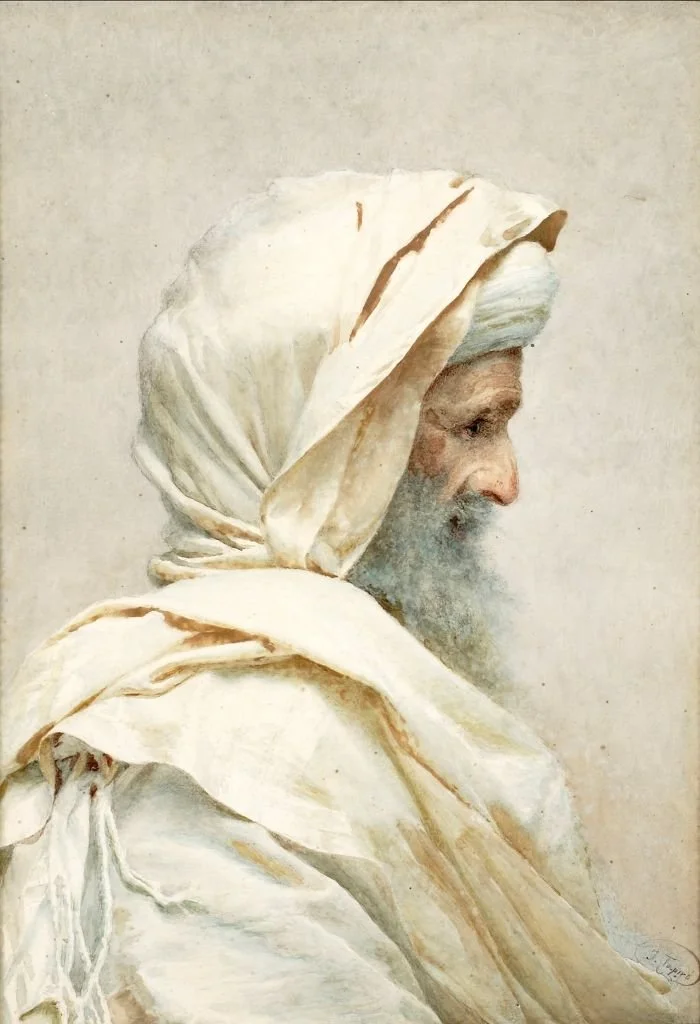
The Hidden Sun: How to Recognize the Shaykh of the Age — If You Are Ready
Someone, right now, holds the age together. Al-Dabbāgh described him with a precision no other Moroccan master attempted — his signs, his station, his relationship to the Prophet ﷺ, and why most seekers will pass him without knowing what they have passed.
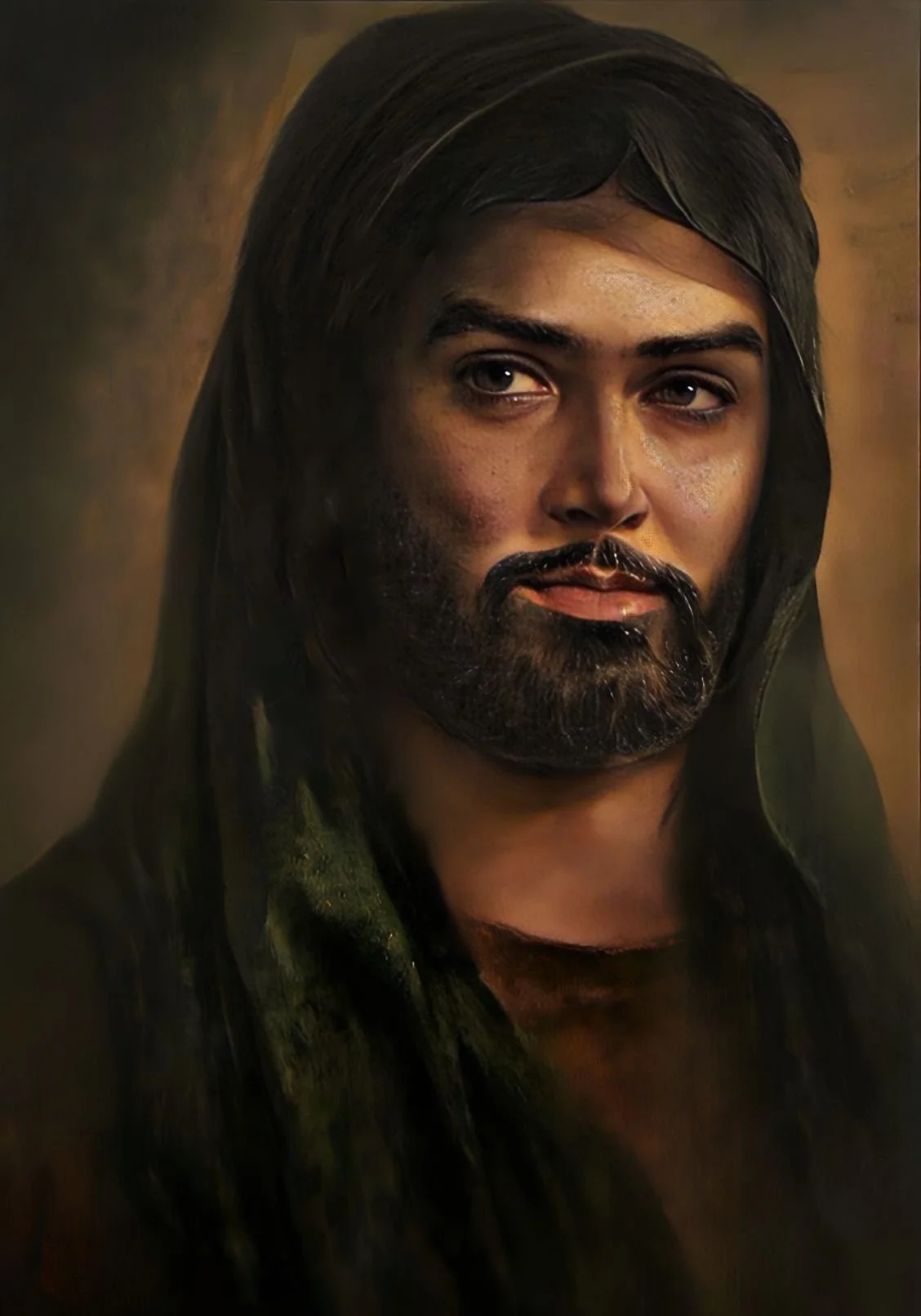
The Wasiyya That Was Never Written — and What Al-Dabbāgh Saw in Its Place
Ibn ʿAbbās called it the greatest of calamities. A Ḥasanī sharīf in eighteenth-century Fez names it from direct vision — and his compiler writes it down, argues against half of it, and cannot suppress any of it. Al-Ibrīz is the most canonical text of Moroccan Sufism and its most conflicted.
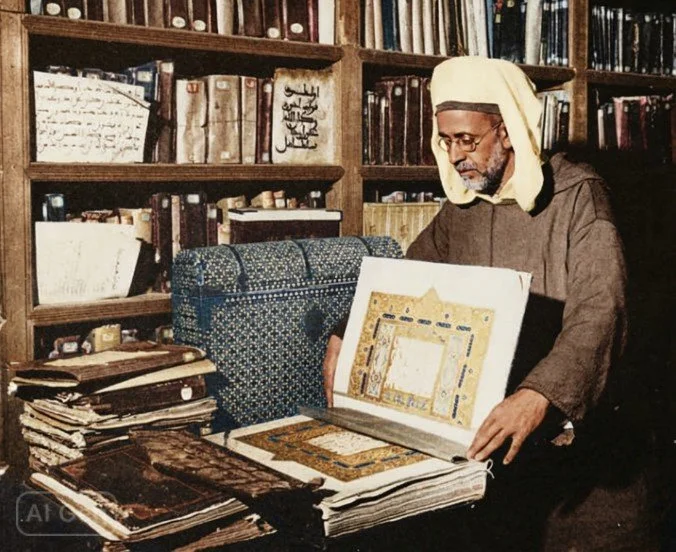
Beyond the Intellect: What Sufism Knows That Philosophy Cannot Reach
In 18th-century Morocco, an illiterate saint's mystical unveilings became the most sophisticated theological weapon of his era. A close reading of how Al-Ibrīz weaponized kashf against rationalist and Shīʿī rivals — and reversed the Niẓāmī Triplex in the process.
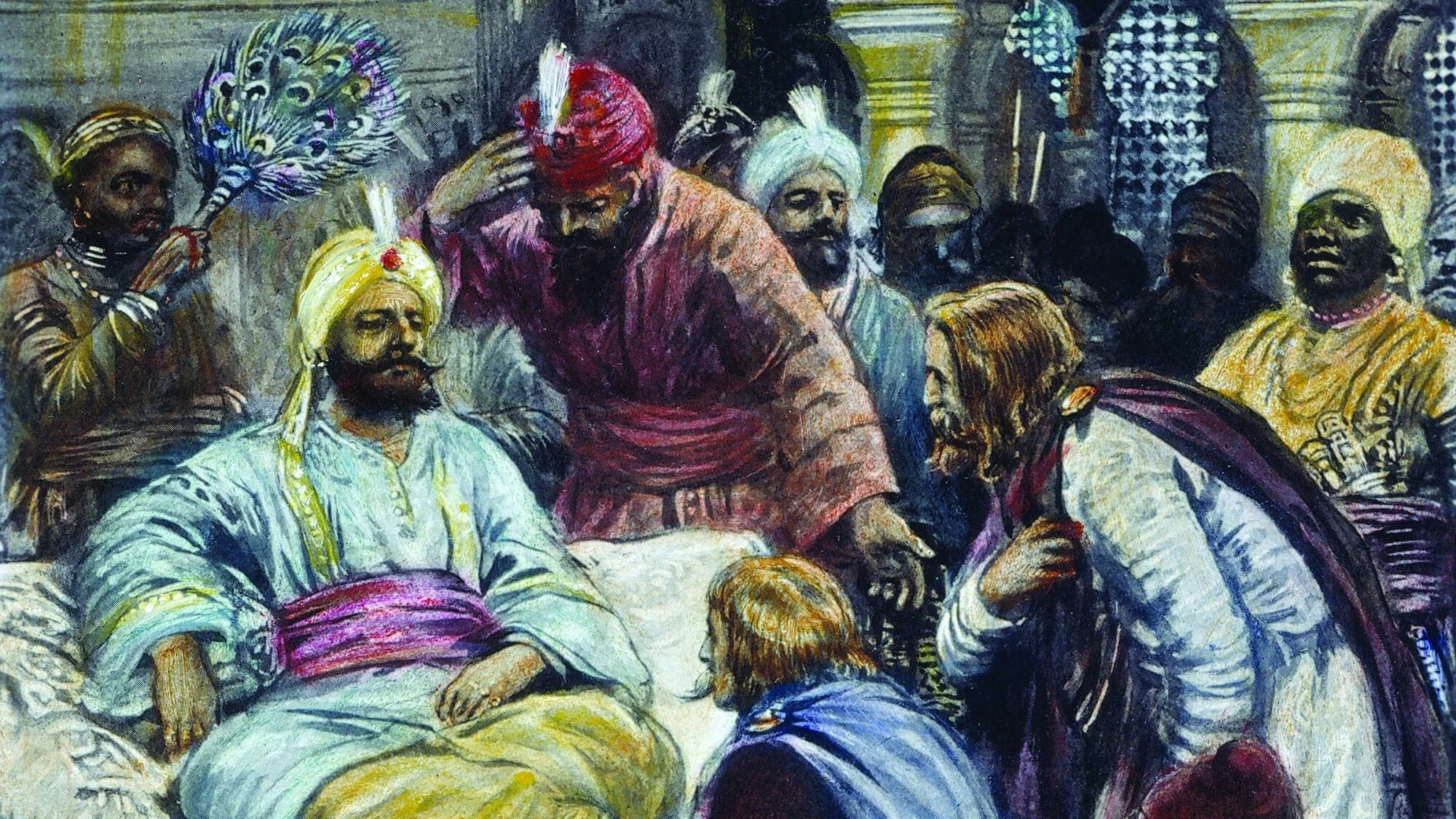
Sainthood Cannot Be Certified: Al-Dabbāgh and the Collapse of the Niẓāmī Model
A critical study of institutional Sufism: from the Niẓāmiyya’s reshaping of sainthood to al-Dabbāgh’s redefinition of spiritual authority beyond institutions.
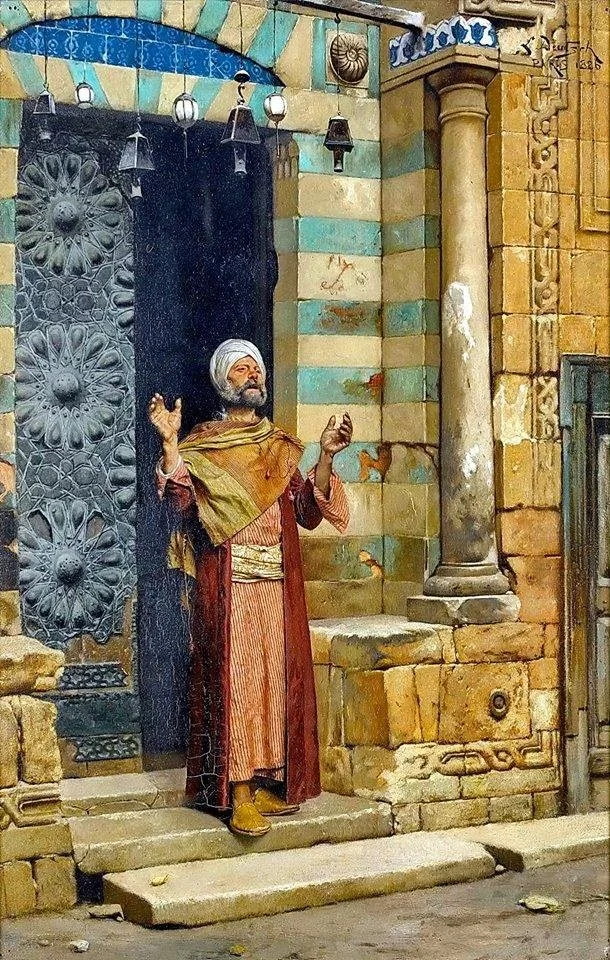
The Jinn Knew What the Scholars Didn't: Al-Shaʿrānī's Most Dangerous Book
The thirty questions the jinn sent to al-Shaʿrānī in the night are, at their root, one question: what stands between the created being and its source, and how is that distance traversed? His answers — on the veil, the intellect, the purified heart, the vision of God — constitute one of the most sustained and direct engagements with this question in the entire Sufi literary tradition.