
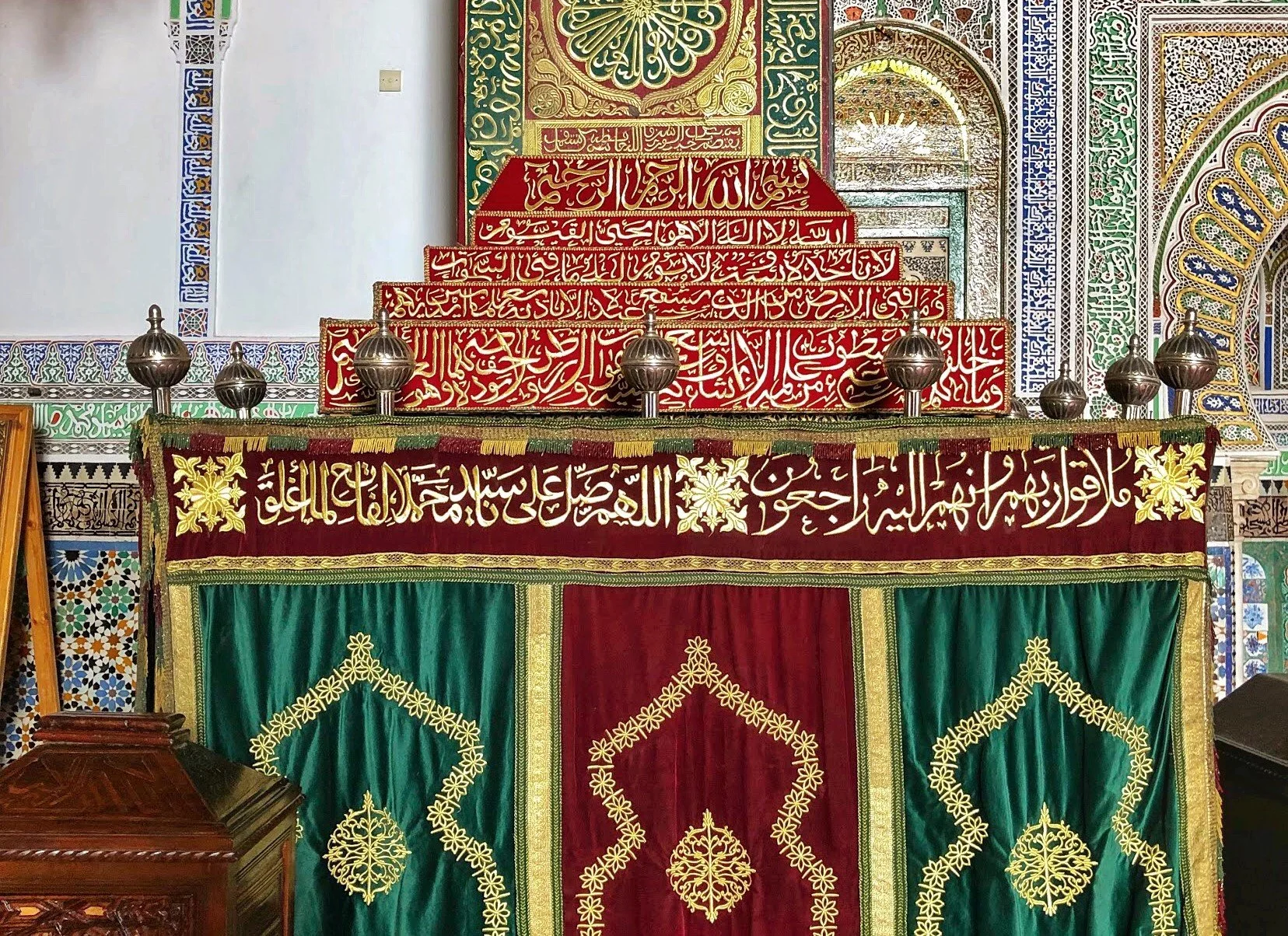
Blood, Baraka, and the Imamate: The Idrīsid Principle That Governs Morocco
How the Idrisid Imamate transformed ancient Morocco into the western center of Prophetic legitimacy, founding Fez and reshaping power between Baghdad, Córdoba, and the Maghrib.
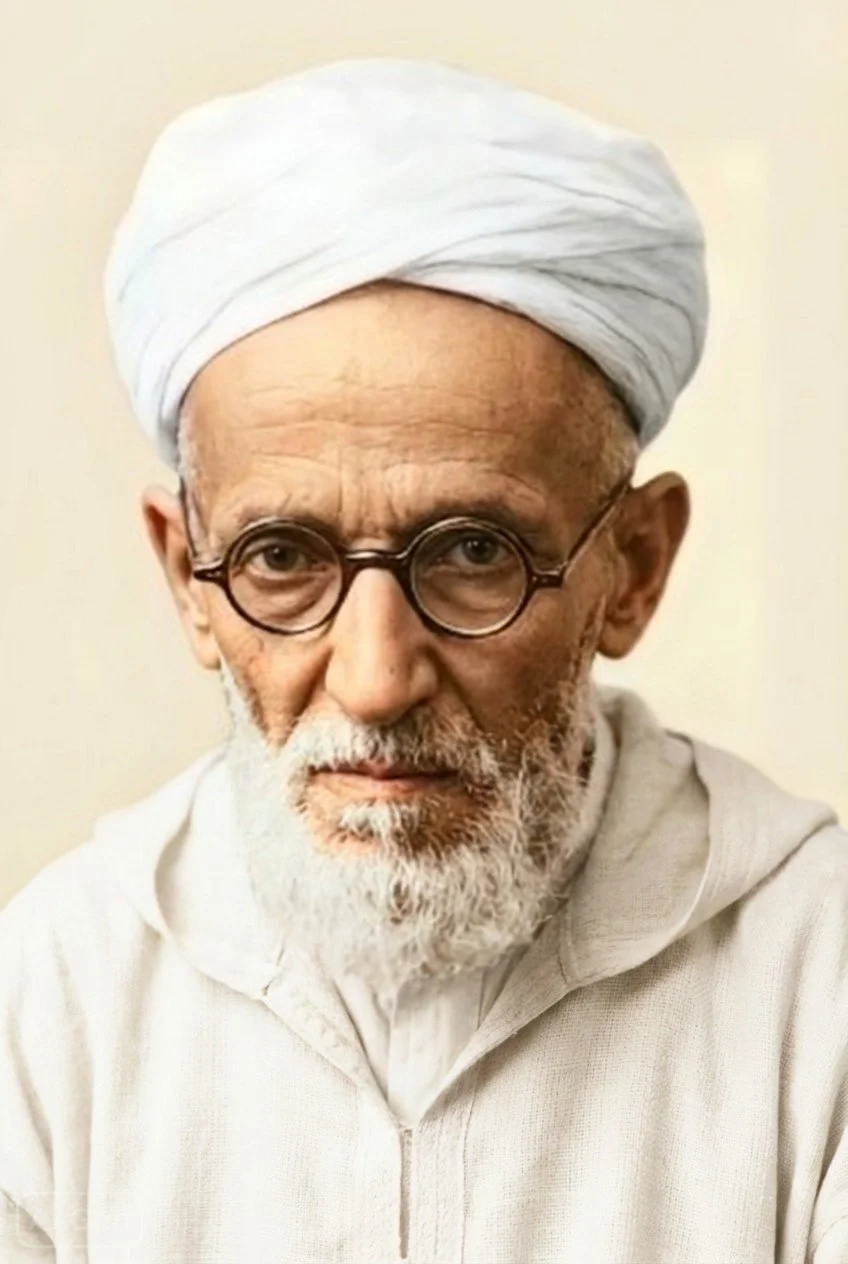
The Dabbāgh Family of Morocco: Twelve Centuries of Sharīfian Authority
A scholarly exploration of the Dabbāgh family of Morocco, tracing twelve centuries of Sharīfian lineage, Sufi authority, and institutional legitimacy from the Idrisids to the modern era.
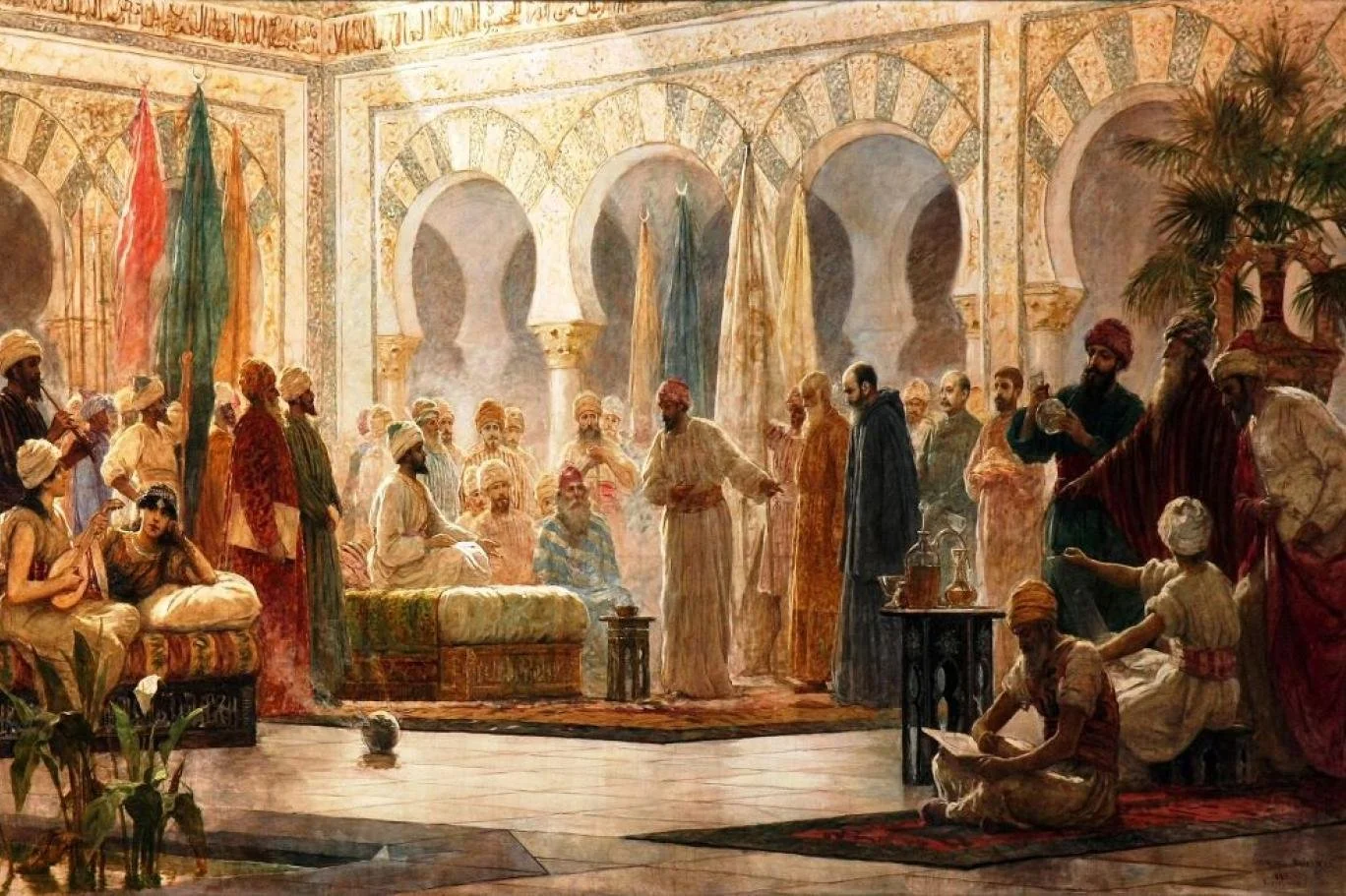
The Ṣiddīqī Saints Were Right About Everything — Except the One Thing That Mattered
The Ṣiddīqī tradition produced the greatest saints in Islamic history. It also missed the Imams the Prophet ﷺ intended to leave behind. Al-Ibrīz, written by a Ṣiddīqī compiler and a Ḥasanī saint, holds both truths simultaneously — and never resolves the tension between them.
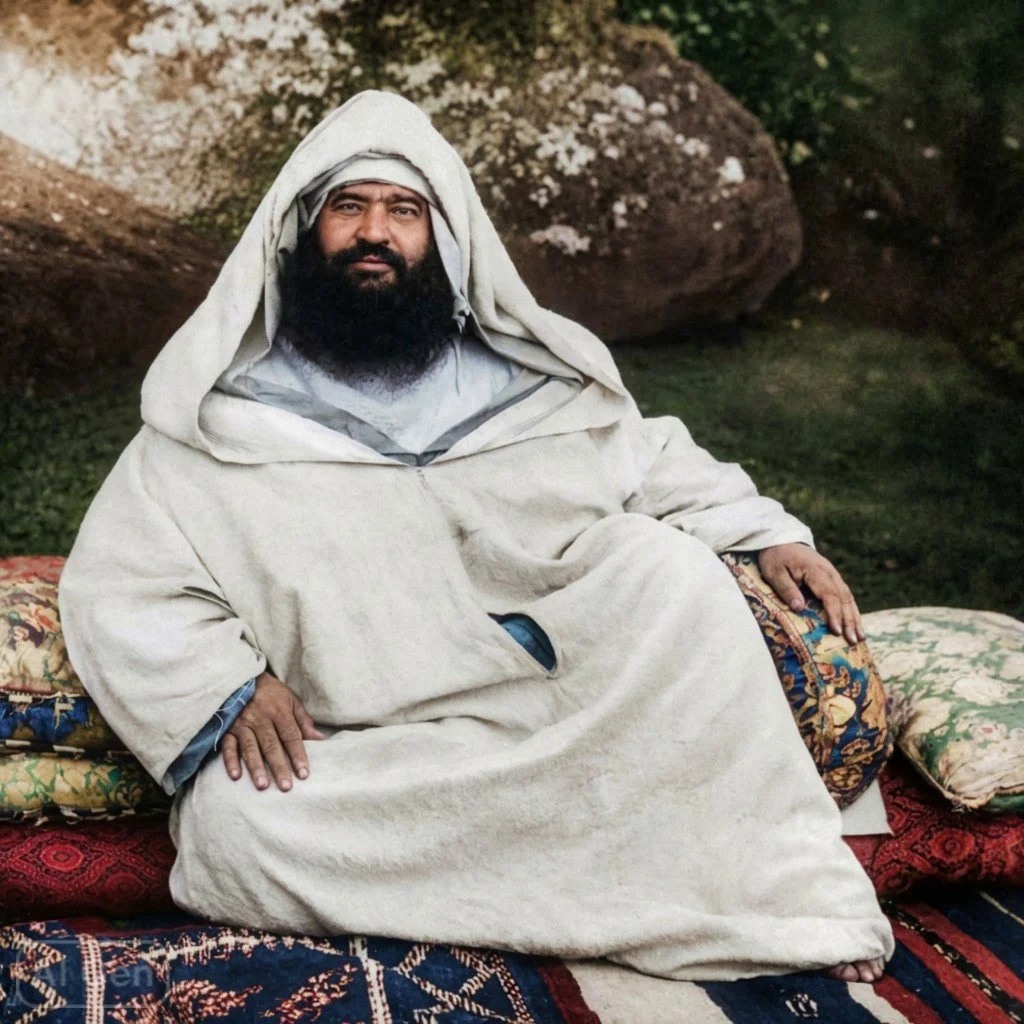
What No Scholar Can Earn: The Inviolable Station of Ahl al-Bayt in Moroccan Islam
Why does prophetic lineage outrank scholarly excellence in Moroccan Islam — and what happens to a civilization that forgets the difference? DAR.SIRR reads Ibn al-Mashrī's Nuṣrat al-Shurafāʾ — the most rigorous defense of sharīfian authority in Moroccan Sufi literature — as the doctrinal foundation the Moroccan synthesis always required and never, until him, fully articulated.