
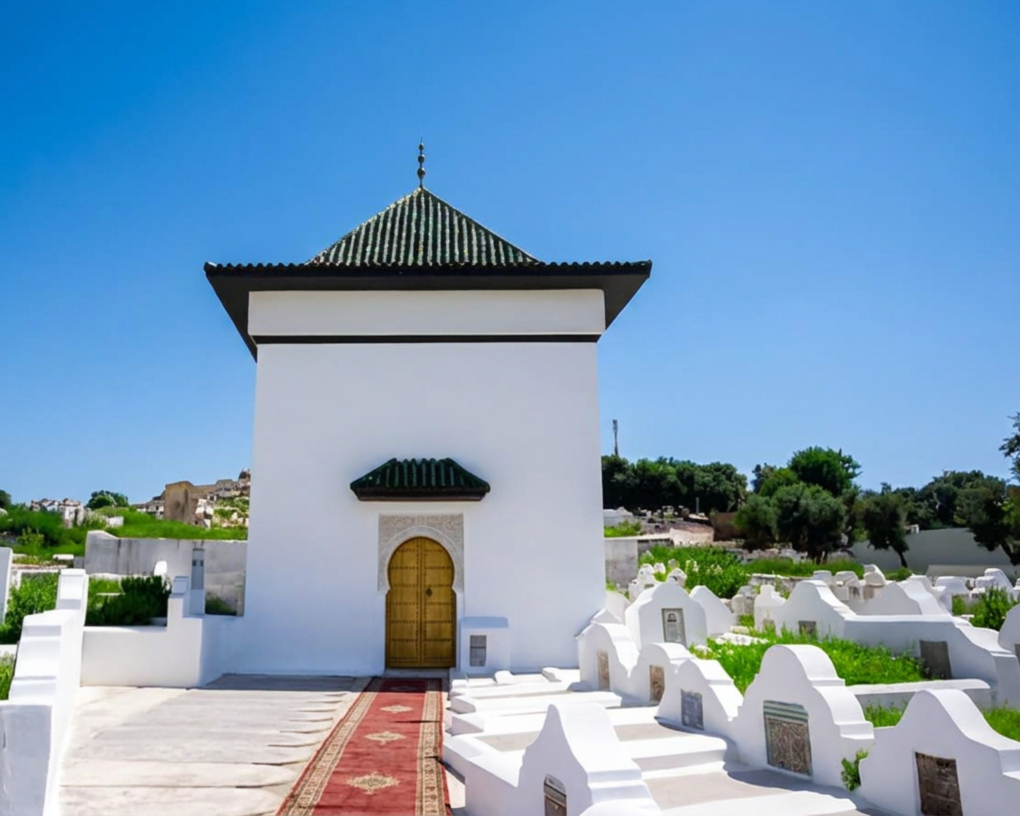
Abū Fāris ʿAbd al-ʿAzīz al-Dabbāgh: Biography of a Hidden Pole in an Age of State-Building
The biography of Mawlāy ʿAbd al-ʿAzīz al-Dabbāgh (d. 1131 /1719) is the biography of a principle: that wilāya cannot be institutionalized, that divine election bypasses every credential, and that the greatest saint in the Moroccan tradition arrived without a silsila, without a shaykh, without permission — and was recognized anyway.
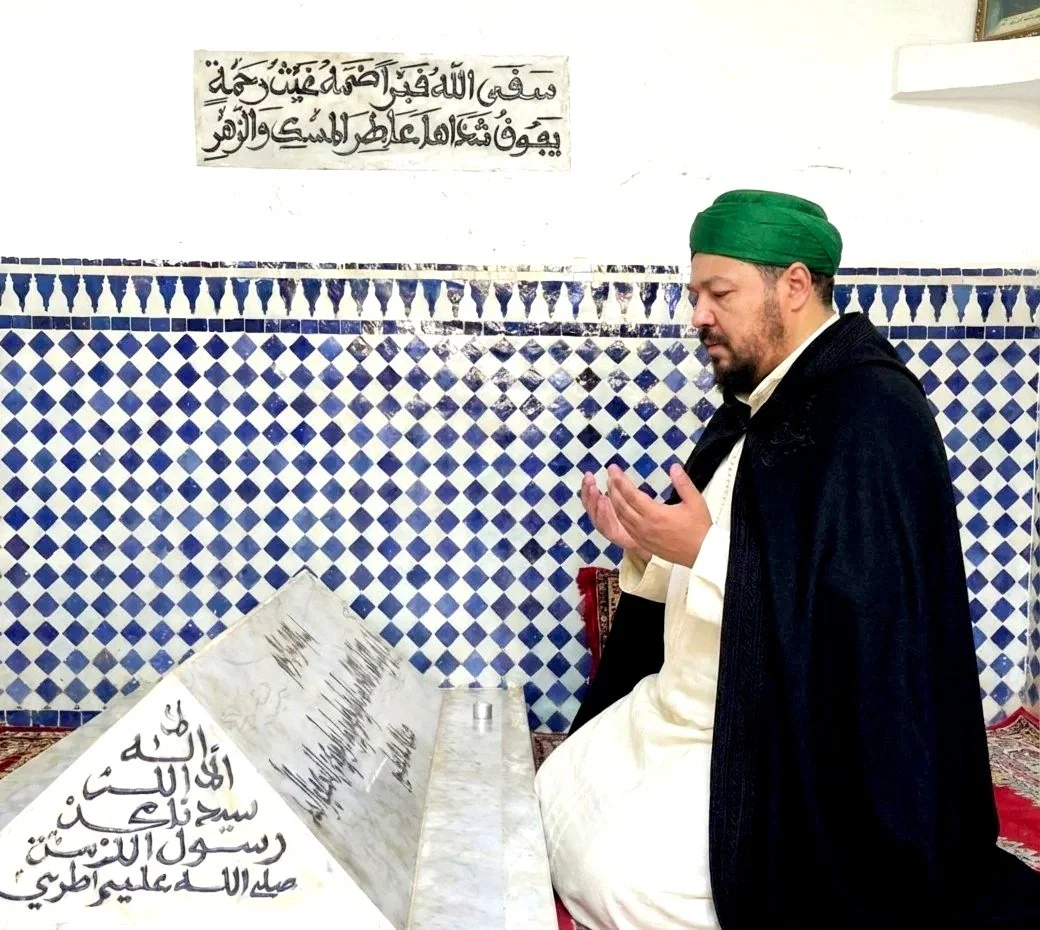
The Death That Made a Saint Permanent: Al-Dabbāgh, His Burial, and the Sacred Geography of Fez
Al-Ibrīz suppresses his death. Taysīr al-Mawāhib restores it. Together they form the complete archive of a saint who filled the world after his death as he had filled a room in his life — and whose grave outside Bāb al-Futūḥ has drawn pilgrims for three centuries without a single act of innovation.
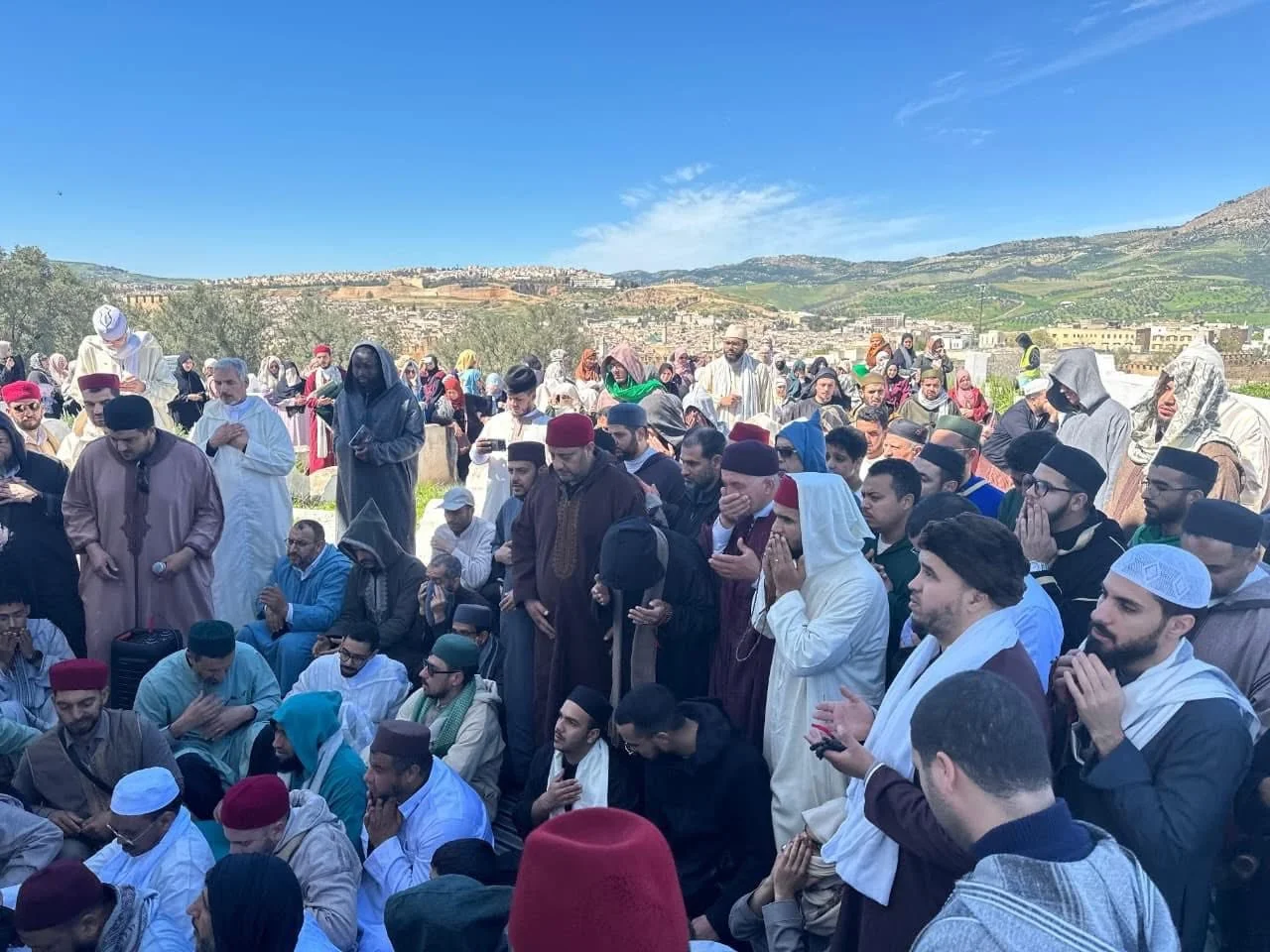
Blood, Book, and Baraka: How Al-Dabbāgh's Legacy Crossed the World
When Mawlāy ʿAbd al-ʿAzīz al-Dabbāgh died in Fez in 1132/1720, he left behind no zawiya, no endowments, and no organizational apparatus. He founded nothing that could be administered, inherited, or institutionalized in the conventional sense. Yet within a century, his name appeared in ijāzāt granted in Delhi and Harar, in Khartoum and Benghazi, in Istanbul and Jakarta — and the Sanūsiyya, one of the most consequential anti-colonial movements in Islamic history, traced its silsila directly to him. Three economies of inheritance made this possible: genealogical, initiatic, and institutional. None of them was his design. All of them were the natural consequence of what he was.
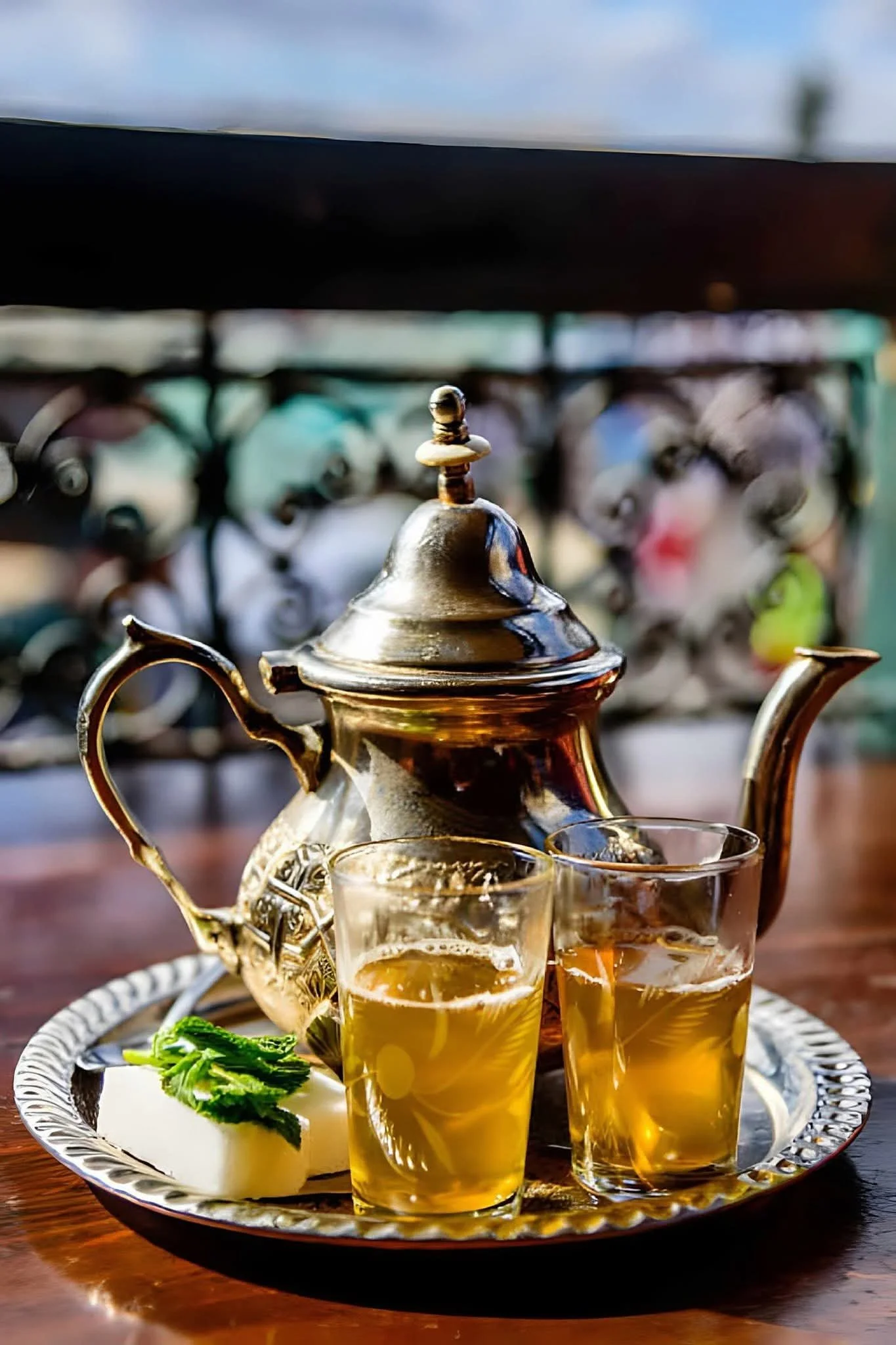
The Culture That Produced al-Dabbāgh: Fez, Civilization, and ‘Alawi Morocco
Al-Dabbāgh was not a saint despite Fez — he was a saint because of it. This article traces the civilization that produced him: its crafts, its sacred geography, its material culture, and its civility.
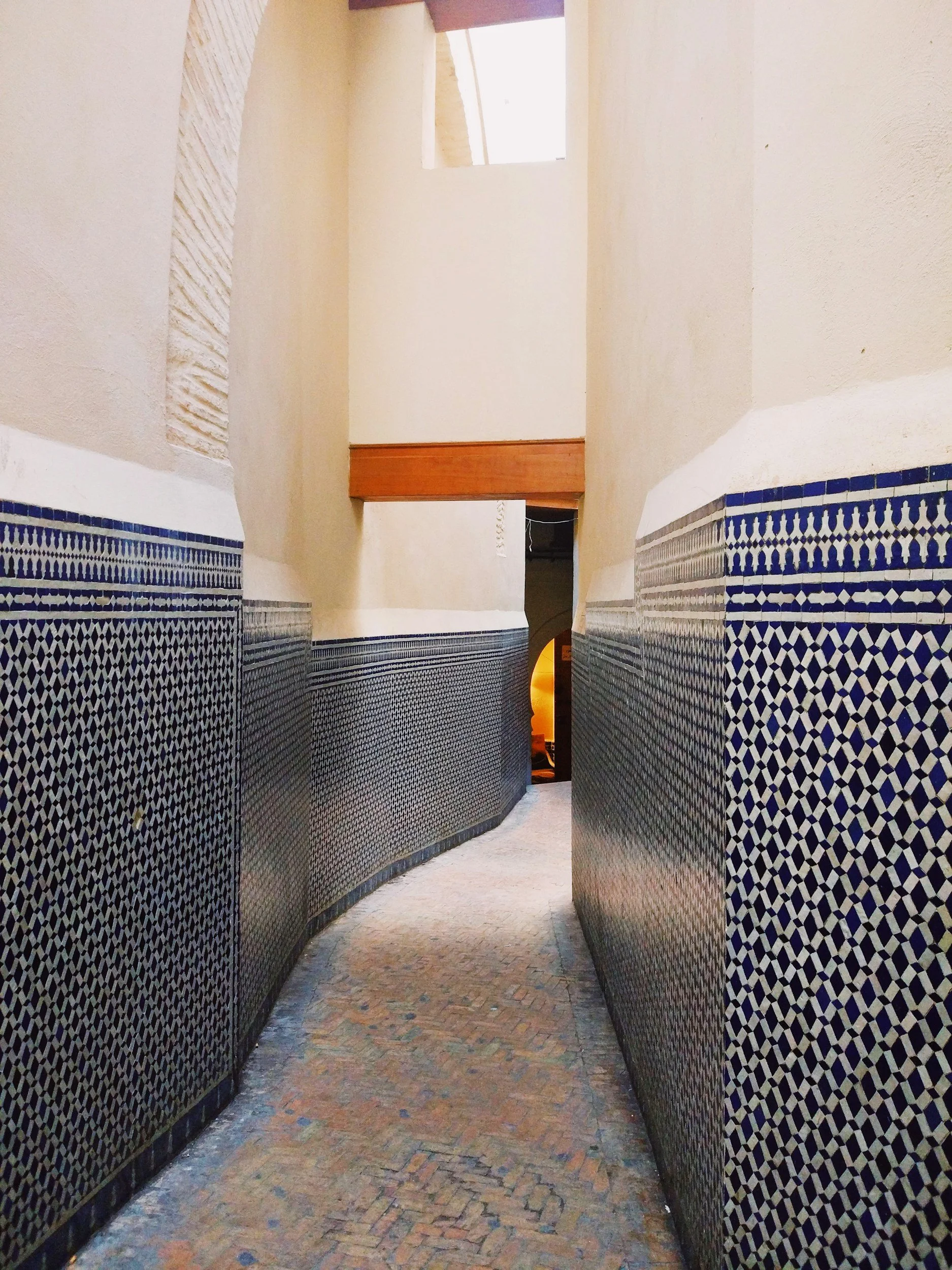
He Knew Your Name Before You Knocked: The Karāmāt of Mawlāy ʿAbd al-ʿAzīz al-Dabbāgh
Al-Dabbāgh's karāmāt were not decorations on his sainthood. They were its substance — and for the people of eighteenth-century Fez, living under the ruthless centralization of Mawlāy Ismāʿīl, they were the evidence of a cosmos that refused to be indifferent to their fear, their poverty, and their need.
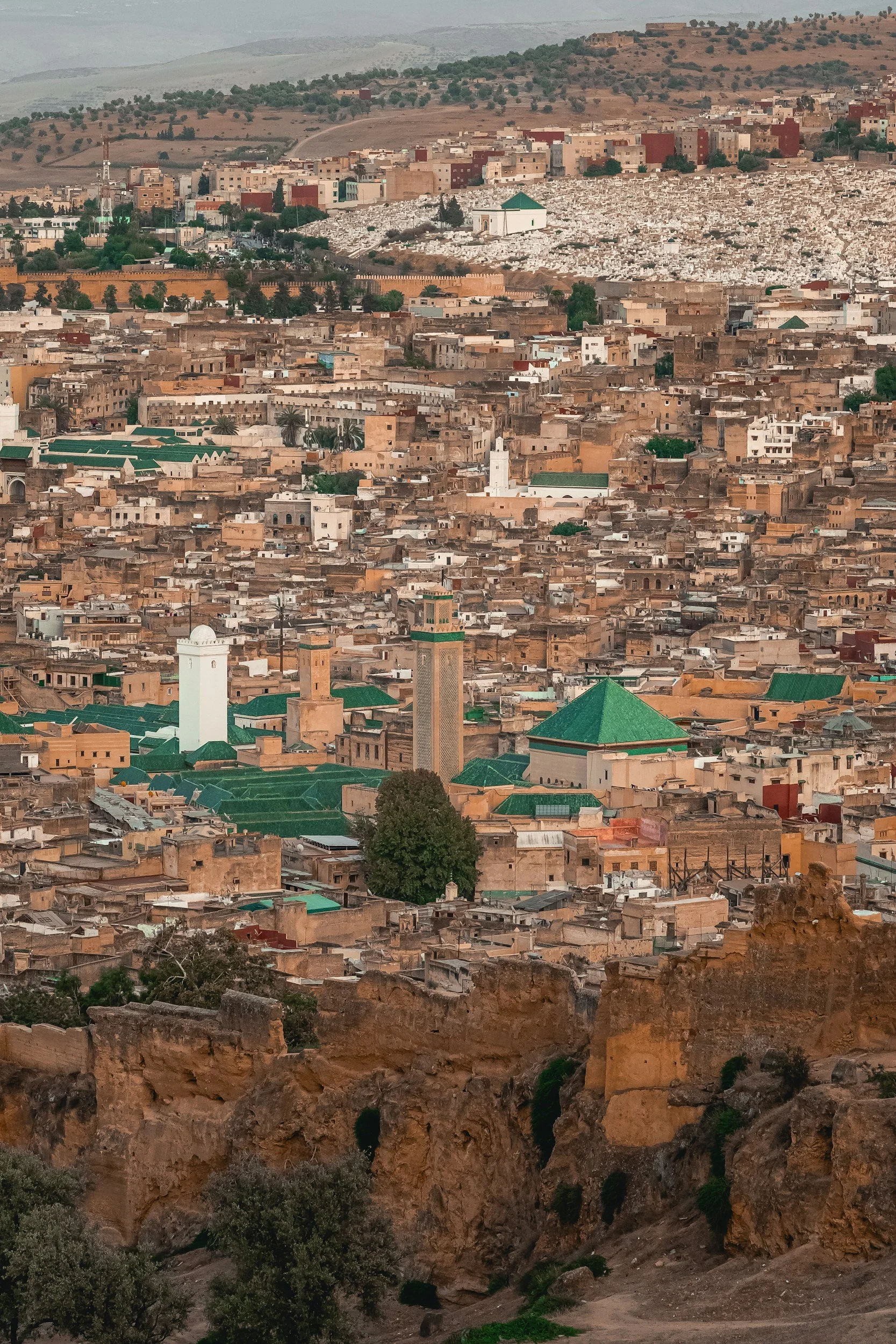
Every Street in Fez Is a Theological Argument — If You Know How to Read Al-Ibrīz
Al-Ibrīz is not a placeless book. Al-Dabbāgh named the streets when he told his story — al-Raṣīf, al-Ṣaffārīn, the bench beside the fountain, the rooftop room, the gate where the opening descended, the lote tree where al-Khiḍr was waiting. Fez was not the background of his spiritual biography. It was its text.