
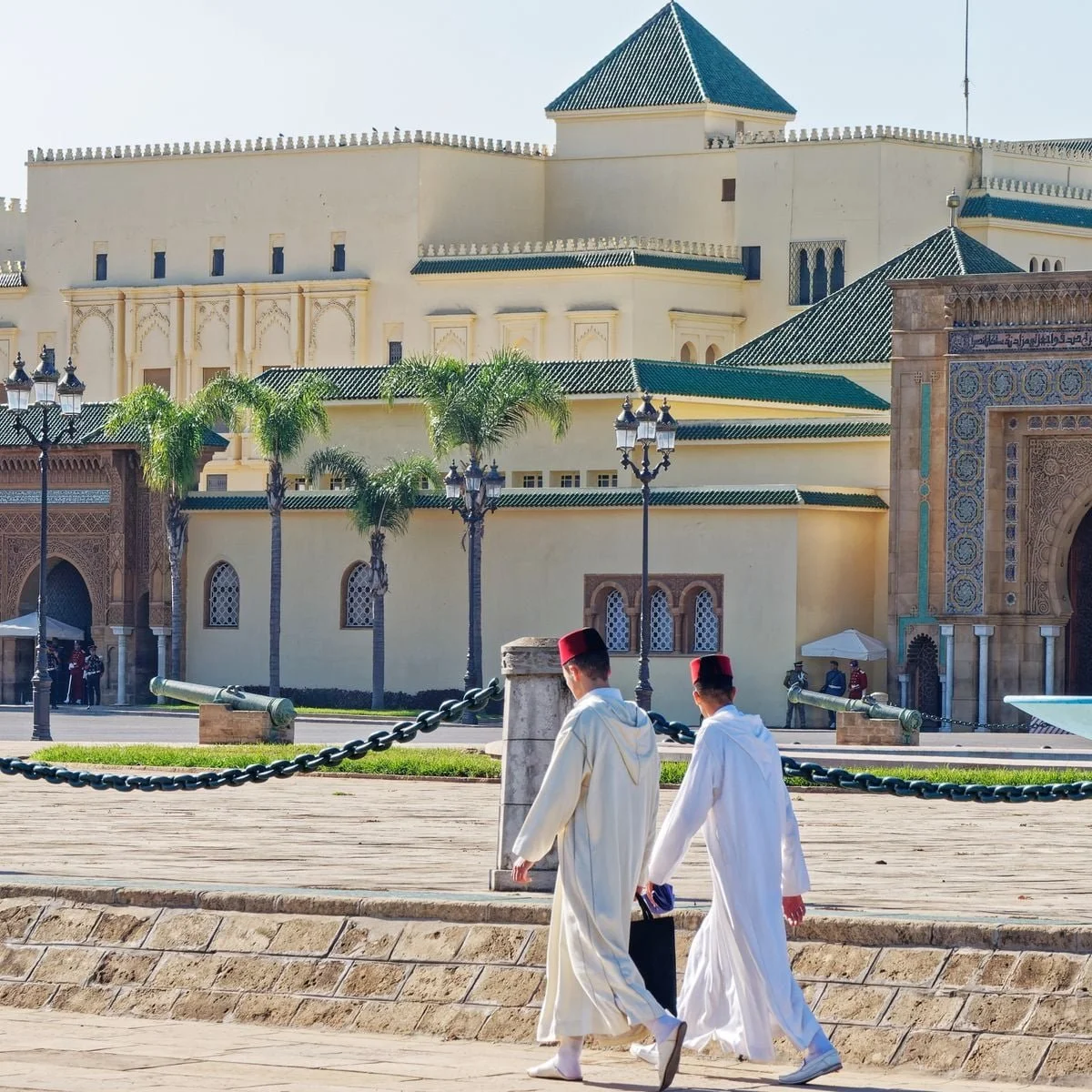
The Sufi System That Built the Moroccan Empire
Morocco's caliphate was never borrowed from the East. It grew from sharīfian blood, was sustained by saints, and was carried across the Sahara by a Sufi system that outlasted every dynasty that used it — and may be the most consequential political theology Islam ever produced.
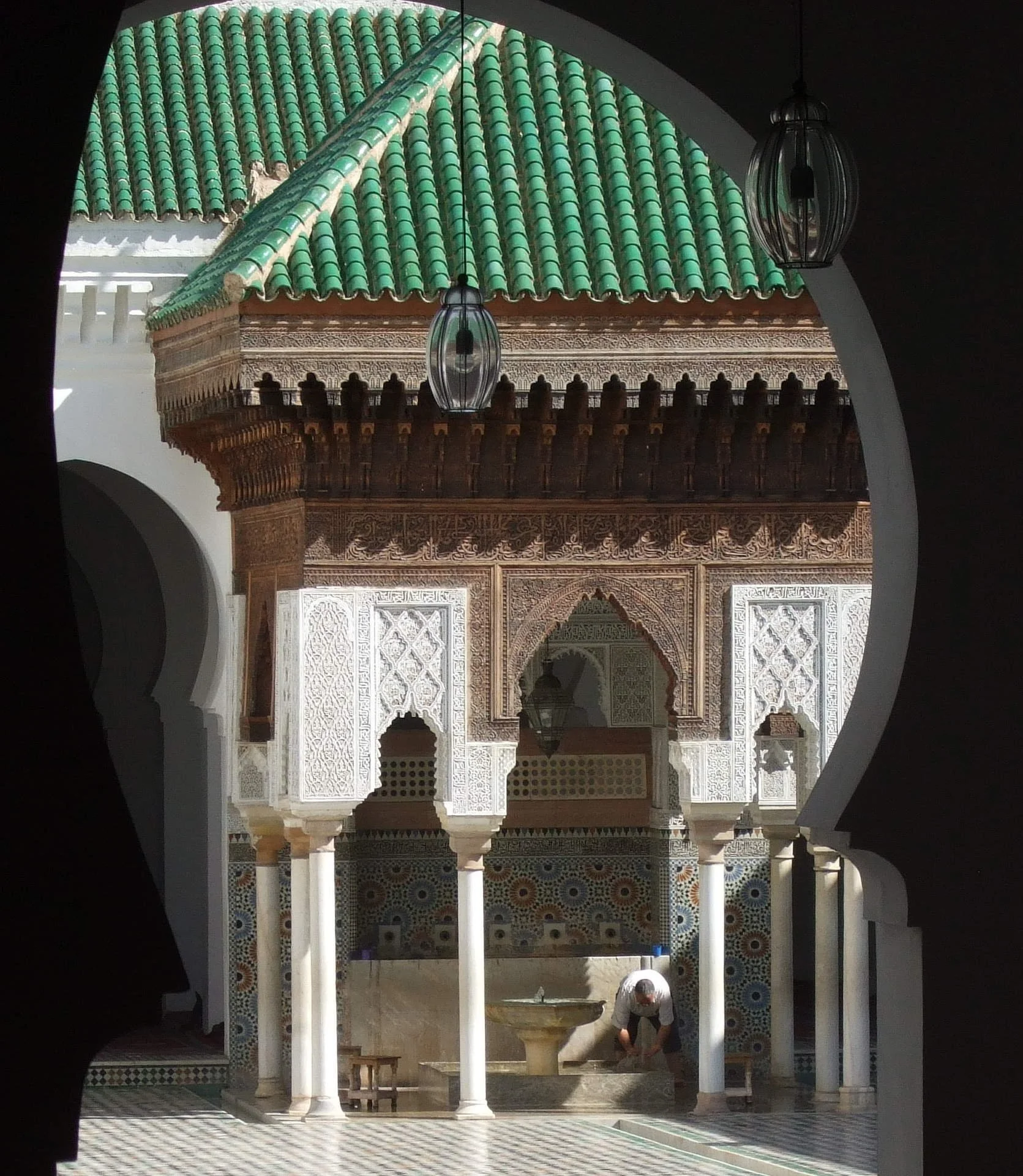
How Morocco Became the West of Islam — and Why That Changes Everything
Morocco is not a regional variation of universal Islam — it is its western axis. From the Idrīsid foundation to the ʿAlawī synthesis, this essay traces how prophetic lineage, Sufi networks, and sharīfian authority fused into a civilization that shaped Africa, the Arabian Peninsula, and the future of Sunni Islam.
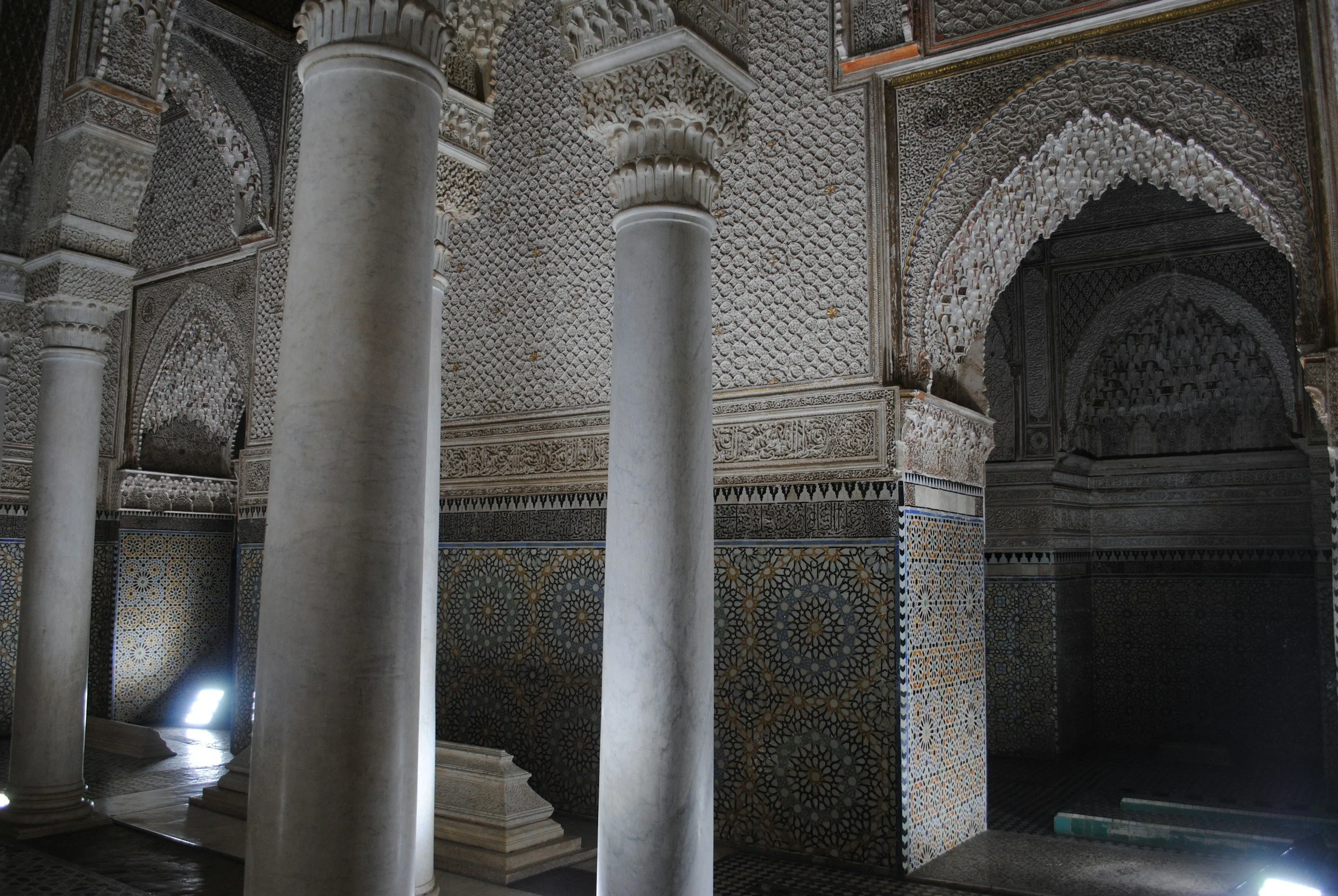
The Mahdī Built the Makhzan. The Makhzan Forgot the Mahdī
The Almohad Empire built Morocco's makhzan, its court culture, its architectural language, and its administrative apparatus. It was built by a man who called himself the Mahdī. Morocco kept everything he built — and forgot everything he claimed.
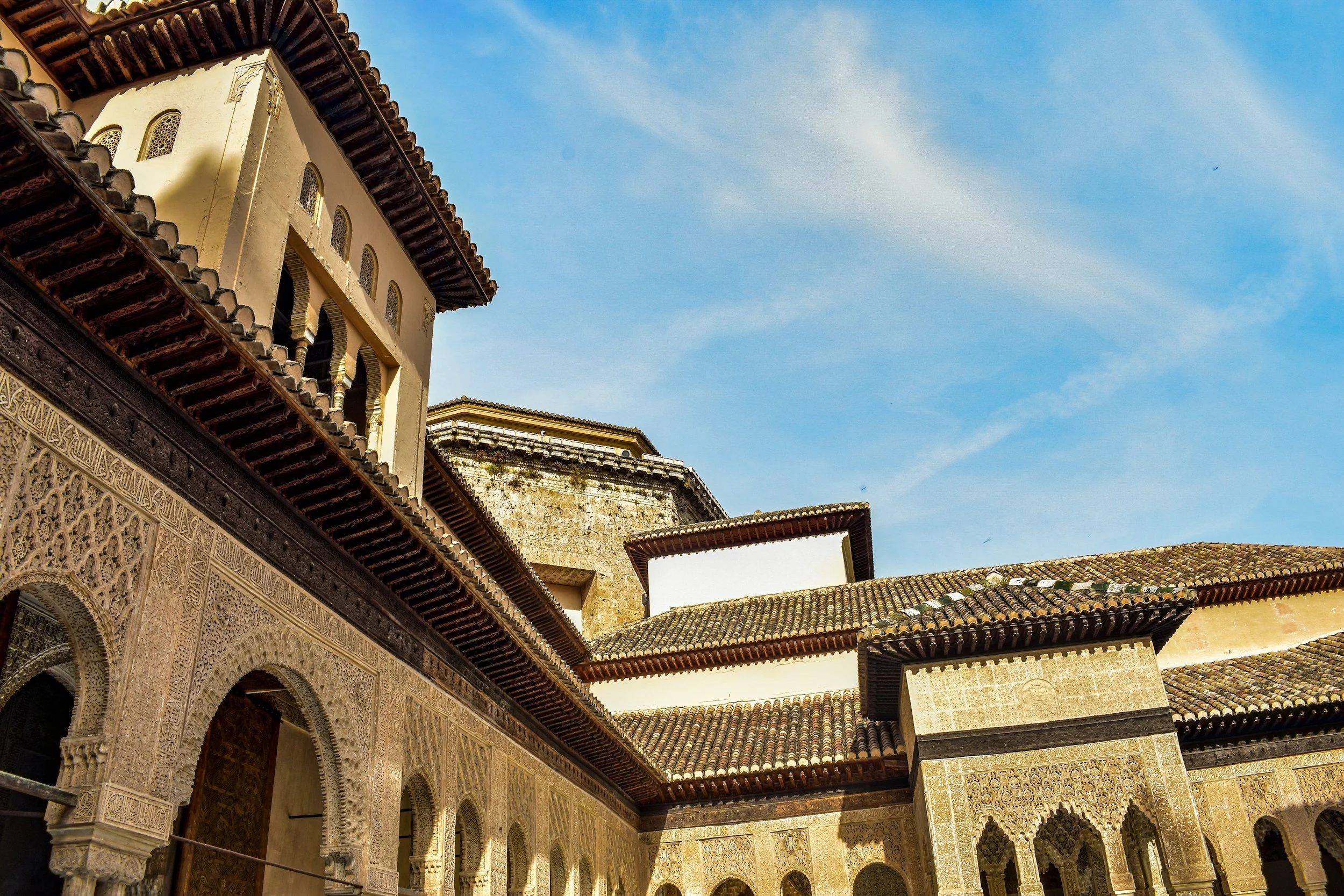
Institutions Cannot Defeat Sharīfian Authority: The Marinid Lesson That Still Governs Morocco
The Marinids built Morocco's greatest madrasas, systematized al-Qarawiyyīn, and imported the Niẓāmī triplex from Baghdad. They built a civilization. Then a Qarawiyyīn scholar chose an Idrīsī sharīf over everything they had constructed — and the lesson has governed Morocco ever since.
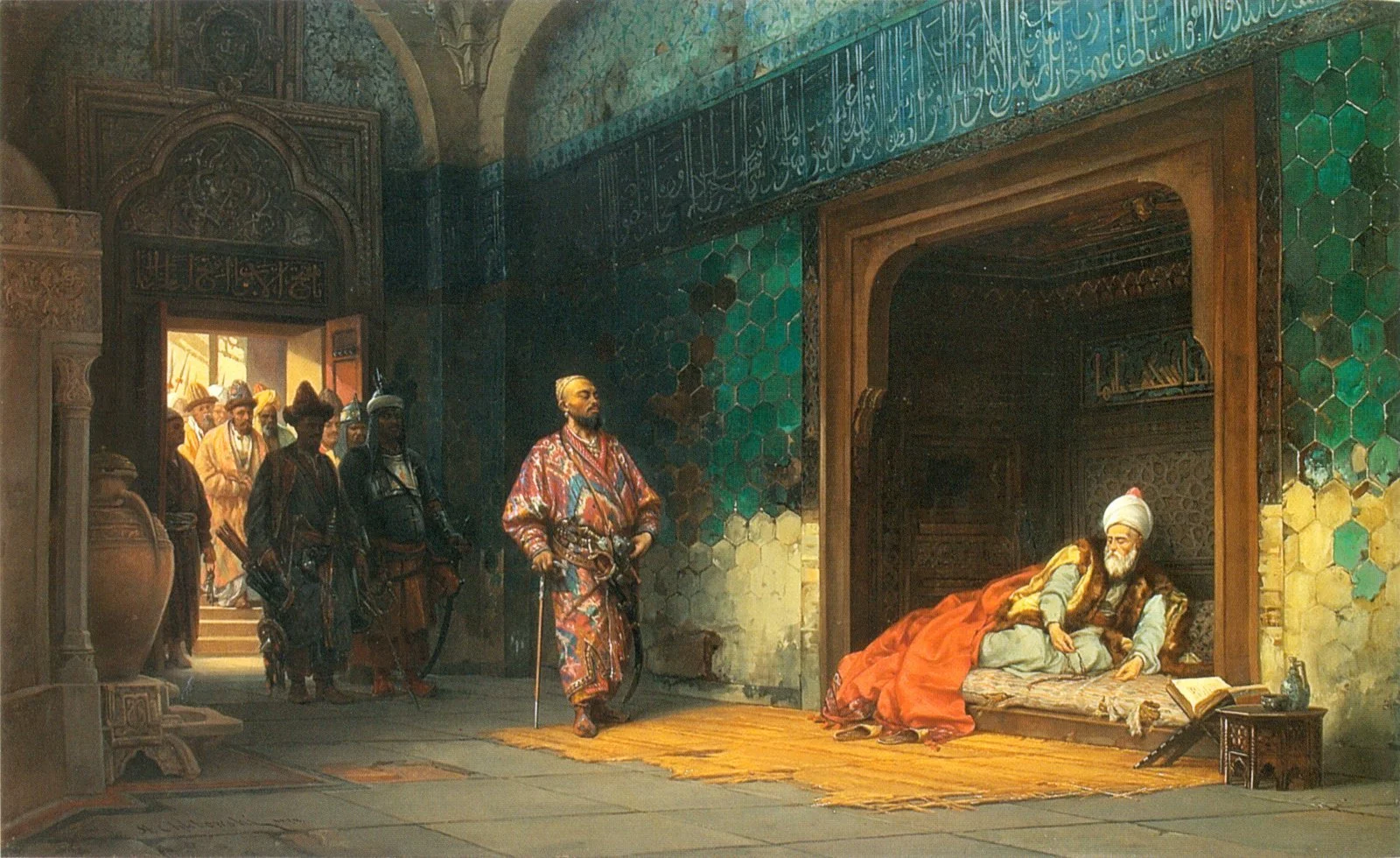
From Ribāṭ to Empire — The Almoravids and the Counter-Fatimid Project
How does a weakened caliph in Baghdad reshape the religious geography of the far Maghrib? Through networks — from al-Bāqillānī to Abū ʿImrān al-Fāsī to Waggāg ibn Zallū to Ibn Yāsīn. The Almoravids were the western execution of an eastern strategy, and their structures outlasted every dynasty that replaced them.