
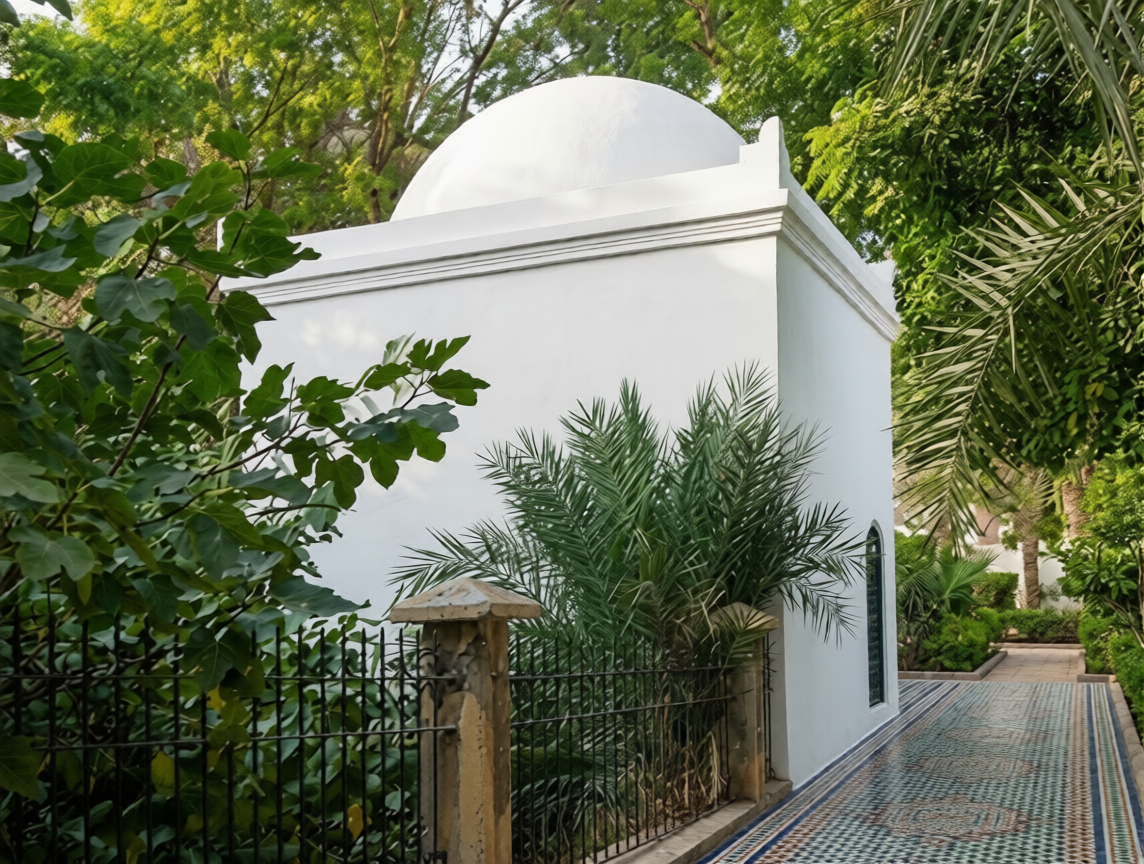
Sidi Muhammad ibn Harazim: The Son Who Became the Compass of Moroccan Sufism
Who was Sīdī Ḥarazem (Sīdī Muḥammad ibn ʿAlī ibn Ḥirzihim, d. c. 633/1235), the saint behind Morocco’s famous mineral water? This study reconstructs the life of the son of Sīdī ʿAlī ibn Ḥirzihim, student of Abū Madyan and Abū Muḥammad Ṣāliḥ, and teacher of Abū al-Ḥasan al-Shādhilī, exploring his role in the Ḥarāzimī rābiṭa of Fez, the formation of Moroccan Sufism, and the sacred history of Ḥammat Khawlān beside the springs that still bear his name.

Sidi Ali ibn Hirzihim: Morocco's First Sufi Shaykh and the Rābiṭa That Built Moroccan Sufism
Sīdī ʿAlī ibn Ḥirzihim (d. 559/1164) — Morocco's first authentic Sufi shaykh, founder of the first urban rābiṭa in Fez, and master of Abū Madyan al-Ghawth — stands at the origin of everything Moroccan Sufism became. He introduced the Malāmatiyya, connected Baghdad's methods to the Qarawiyyīn and the rural ribāṭs, and navigated the Almoravid-Almohad rupture at the cost of his own imprisonment. His shrine outside Bāb al-Futūḥ — the second most important in Fez after Mawlāy Idrīs — has been held by the Dabbāgh family since the early ʿAlawī period. The first in a series on the saints whose shrines DAR.SIRR's founding family preserves.
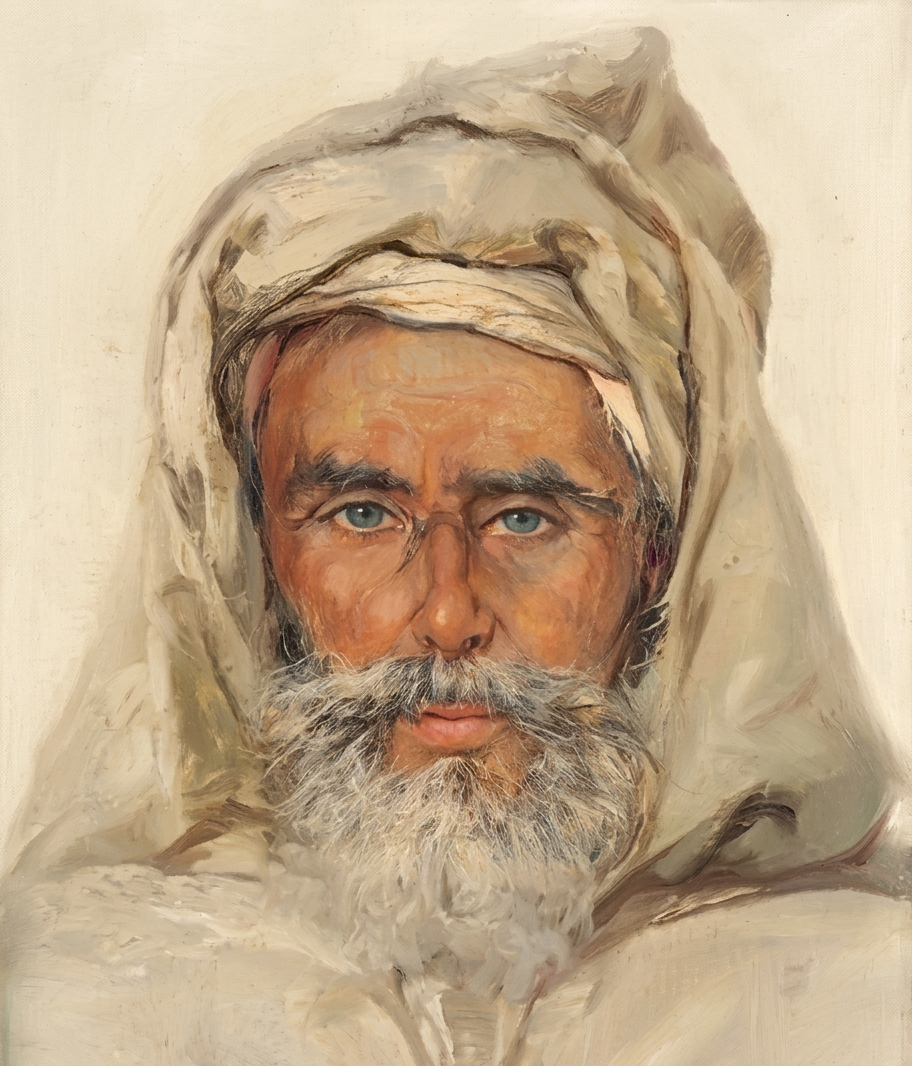
The Other Leg: Why Moroccan Sufism Is Incomplete Without Shaykh Zarrūq
Aḥmad Zarrūq al-Fāsī (d. 899/1493) fixed Sufism's broken compass and sent Morocco its wildest saints. The architect behind al-Dabbāgh, the Darqāwiyya, and the Tijāniyya — buried in an unknown grave in Libya, unvisited by the civilization he built.