
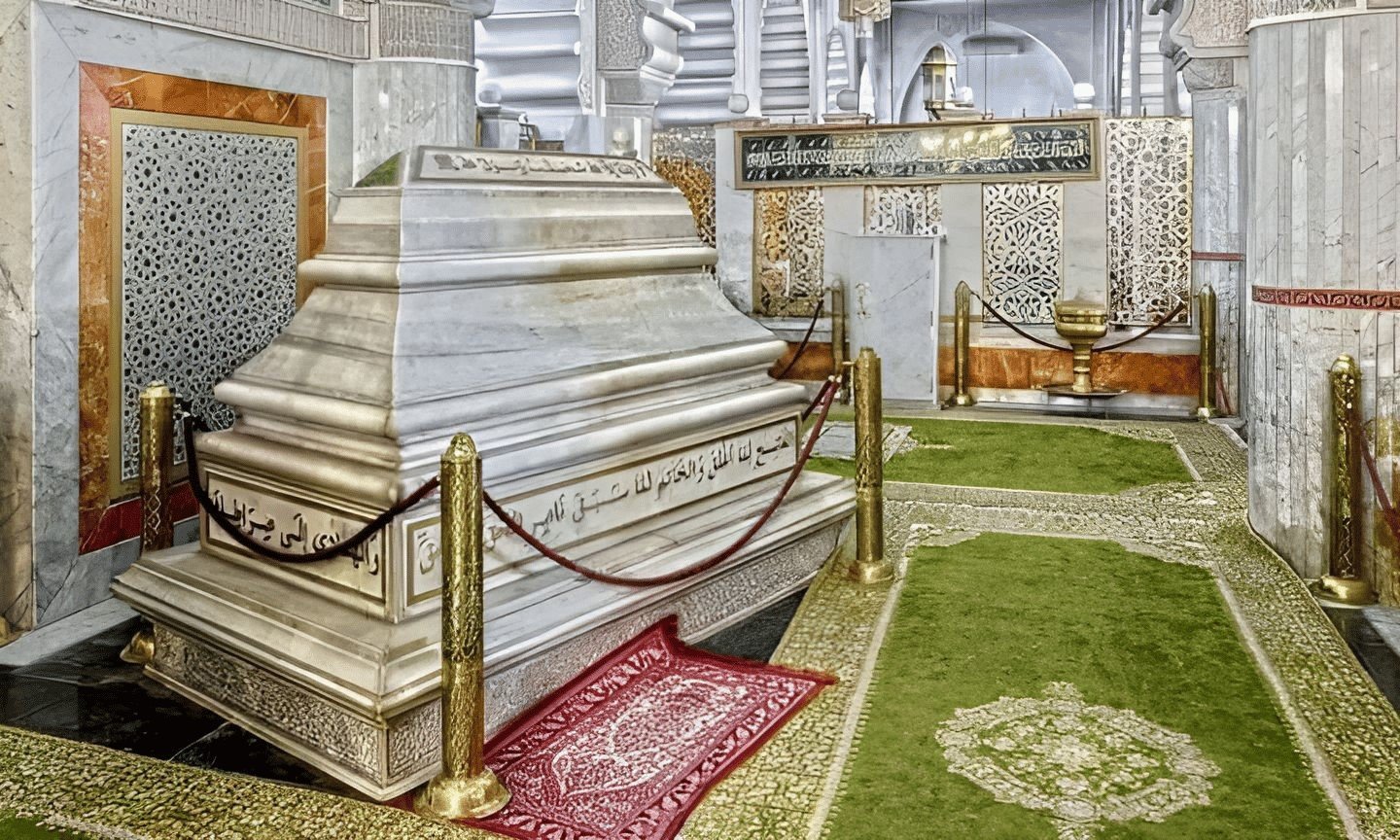
Abu al-ʿAbbas al-Tijani: Seal of Saints, and the Final Flowering of a Moroccan Civilization
A study of Abū al-ʿAbbās Aḥmad al-Tijānī (1735–1815) — founder of the Tijāniyya, claimant to the Seal of Muḥammadan Sainthood, and the last great spiritual figure produced by a thousand-year Moroccan Sufi civilization. Born in the Eastern Sahara, buried in Fez, followed today by fifty million across Africa and beyond — his path conquered a continent through channels Morocco had been building for centuries, and left a prayer in the city that resisted him.
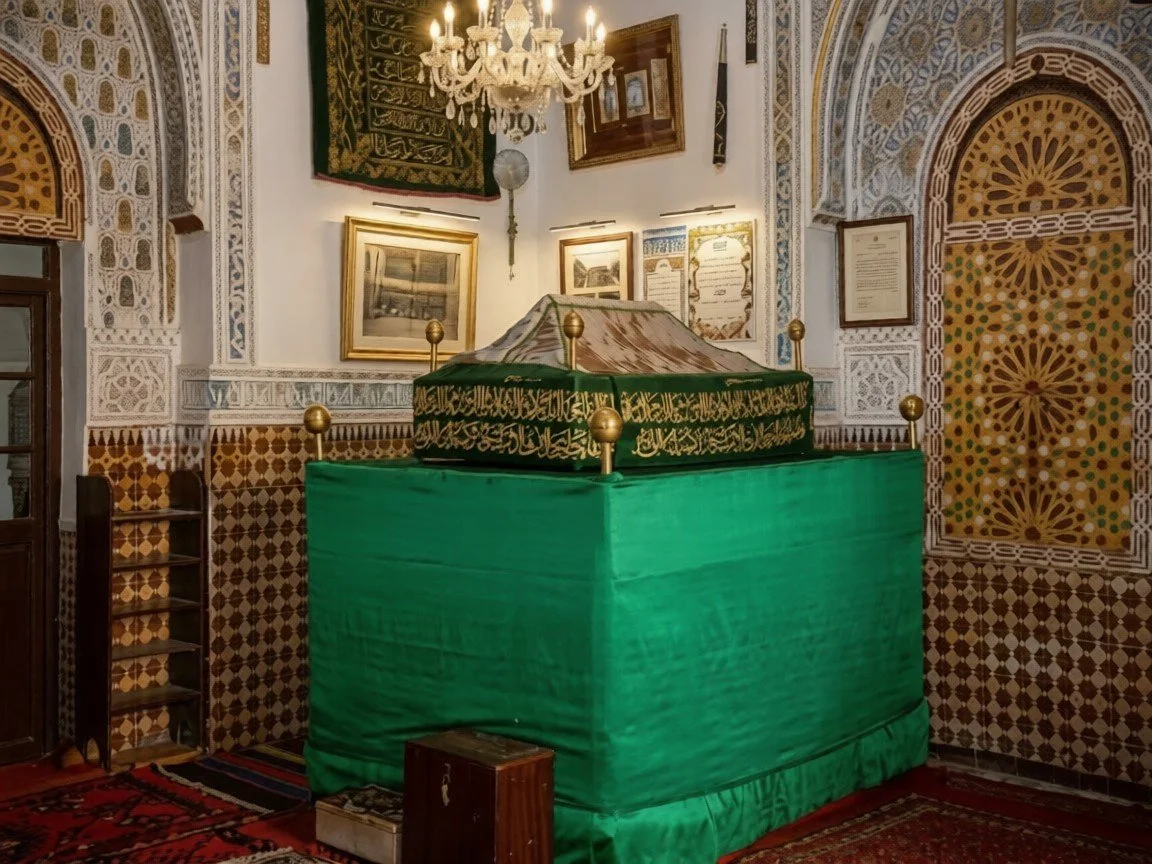
Abu Muhammad Salih al-Majiri: The Ghawth of Asafi and the Saint Who Linked Morocco to Mecca
Abū Muḥammad Ṣāliḥ al-Mājirī (d. 631/1234) — the Maṣmūda saint from Āsafī who spent twenty years in Ayyūbid Alexandria, endured three khalwas under al-Jīlānī in Baghdad, founded the Ḥujjājiyya that linked Morocco to the Ḥaramayn, raised the orphan heir of the Ḥarāzimī rābiṭa, and whose silsila al-Buṣayrī certified in a dedicated qaṣīda calling him Ghawth al-Wujūd. Drawing on the Minhāj al-Wāḍiḥ and primary sources, this article reconstructs the life of the saint whose institutional achievement prepared the ground for the Shādhiliyya itself.
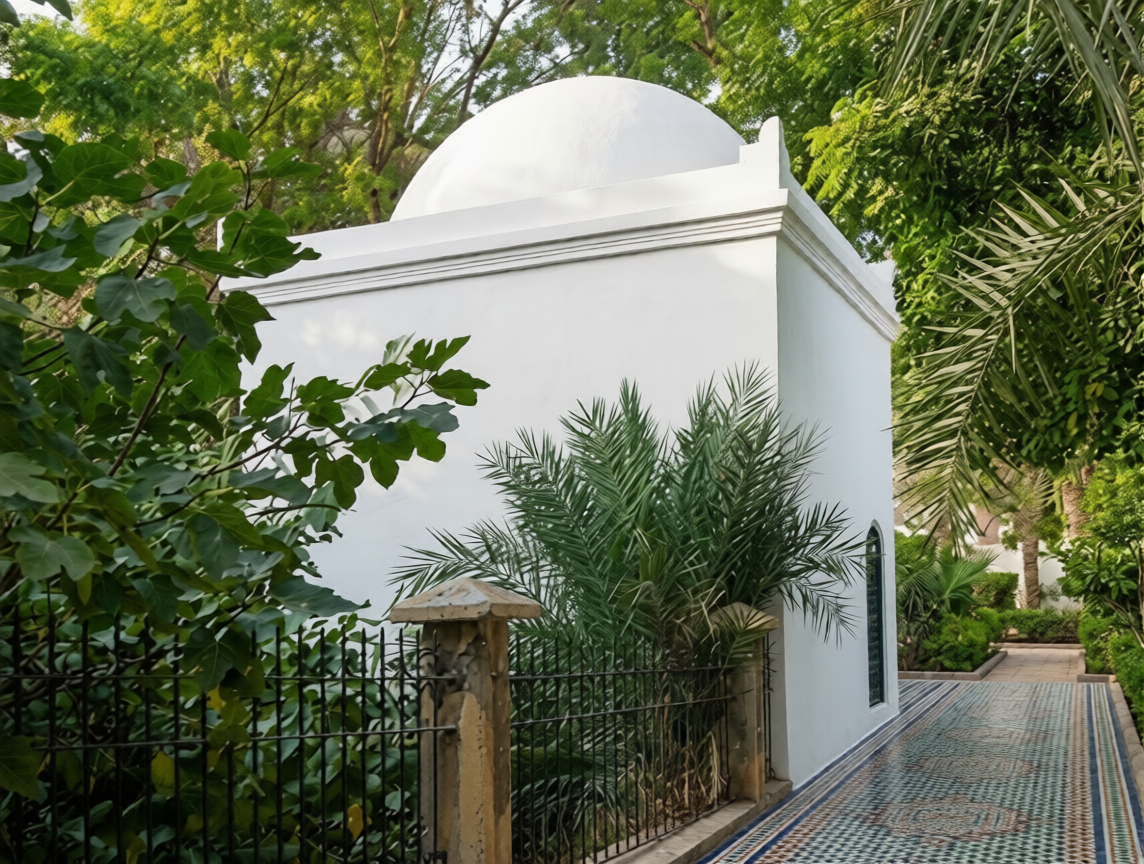
Sidi Muhammad ibn Harazim: The Son Who Became the Compass of Moroccan Sufism
Who was Sīdī Ḥarazem (Sīdī Muḥammad ibn ʿAlī ibn Ḥirzihim, d. c. 633/1235), the saint behind Morocco’s famous mineral water? This study reconstructs the life of the son of Sīdī ʿAlī ibn Ḥirzihim, student of Abū Madyan and Abū Muḥammad Ṣāliḥ, and teacher of Abū al-Ḥasan al-Shādhilī, exploring his role in the Ḥarāzimī rābiṭa of Fez, the formation of Moroccan Sufism, and the sacred history of Ḥammat Khawlān beside the springs that still bear his name.

Sidi Ali ibn Hirzihim: Morocco's First Sufi Shaykh and the Rābiṭa That Built Moroccan Sufism
Sīdī ʿAlī ibn Ḥirzihim (d. 559/1164) — Morocco's first authentic Sufi shaykh, founder of the first urban rābiṭa in Fez, and master of Abū Madyan al-Ghawth — stands at the origin of everything Moroccan Sufism became. He introduced the Malāmatiyya, connected Baghdad's methods to the Qarawiyyīn and the rural ribāṭs, and navigated the Almoravid-Almohad rupture at the cost of his own imprisonment. His shrine outside Bāb al-Futūḥ — the second most important in Fez after Mawlāy Idrīs — has been held by the Dabbāgh family since the early ʿAlawī period. The first in a series on the saints whose shrines DAR.SIRR's founding family preserves.
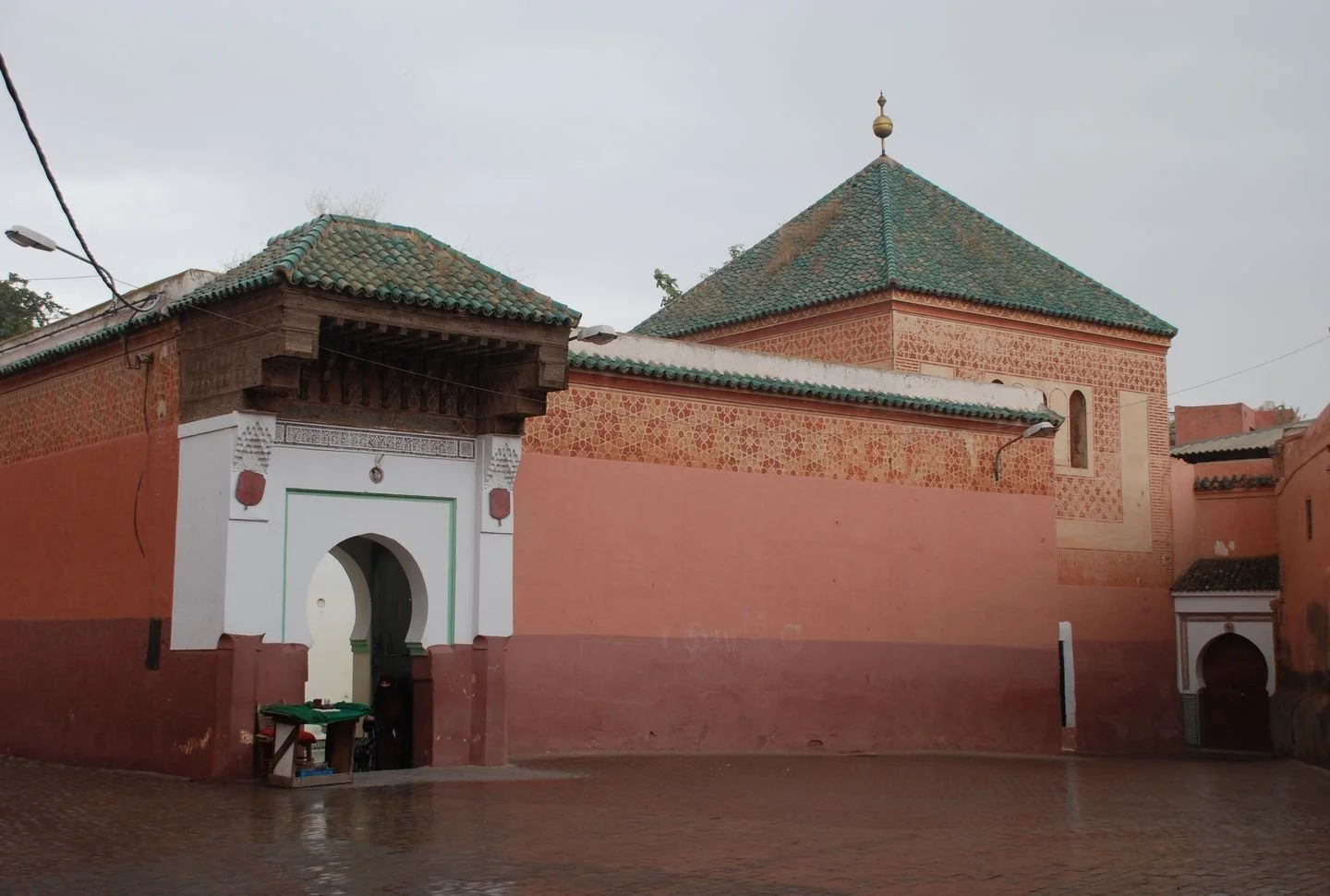
The Jaras of Marrakesh: Sidi ʿAbdallah al-Ghazwani, Sultan of the Jazuliyya
Shaykh ʿAbdallāh al-Ghazwānī (d. 935/1528) — Mūl al-Quṣūr, one of the Seven Saints of Marrakesh — completed what al-Jazūlī started and al-Tabbāʿ organized. His Nuqṭa al-Azaliyya gave the Muḥammadan ṭarīqa its systematic doctrine. His school produced the Sharqāwiyya, the Dilāʾiyya, and every major Sufi lineage in Morocco.
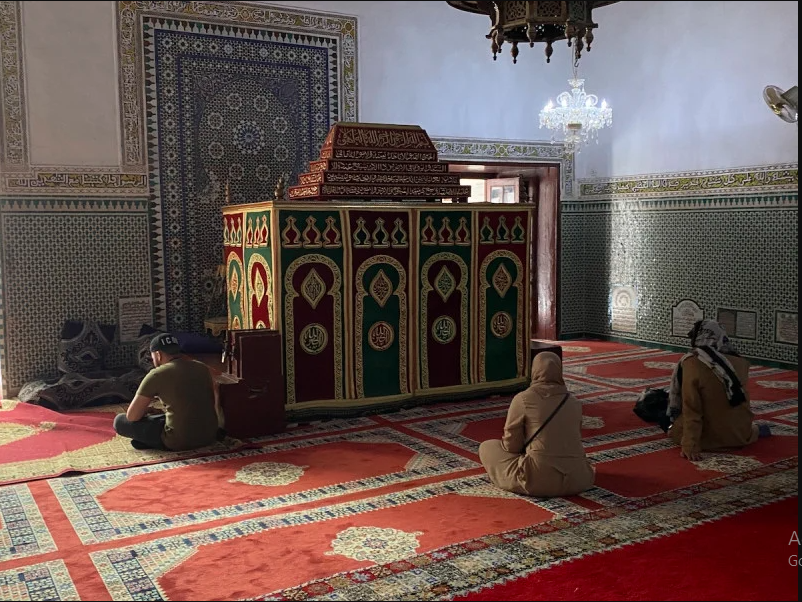
Against the Corrected Shaykh: Imam Al-Jazuli and the Politics of Prophetic Proximity
In 869/1465, two answers competed for Morocco's soul. Zarruq offered the corrected shaykh — authority verified by law, earned through discipline, revocable by scholarly judgment. Al-Jazūlī offered prophetic blood — sharīfian nasab as the isnād that no critique could reach, the Dalāʾil al-Khayrāt as cosmological portrait, and a dawla already constituted. Morocco chose. This article is about what it chose — and what it could not abandon.
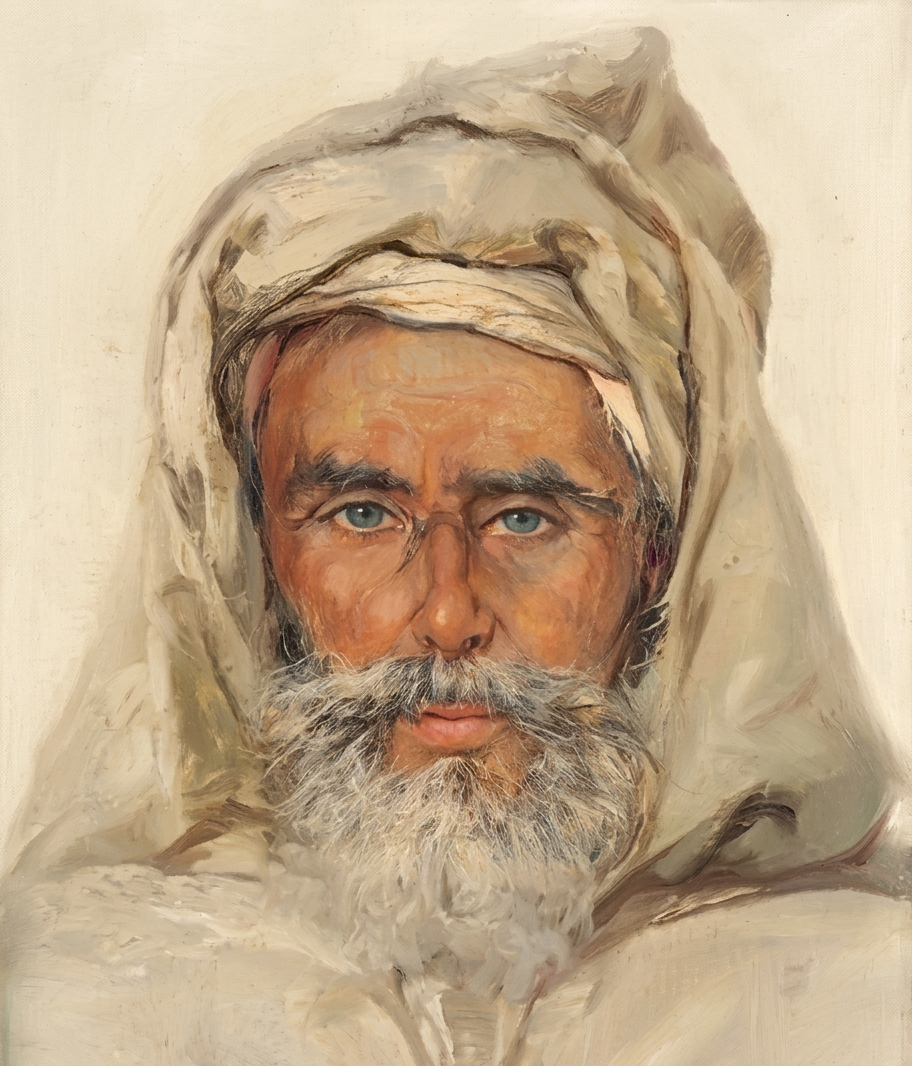
The Other Leg: Why Moroccan Sufism Is Incomplete Without Shaykh Zarrūq
Aḥmad Zarrūq al-Fāsī (d. 899/1493) fixed Sufism's broken compass and sent Morocco its wildest saints. The architect behind al-Dabbāgh, the Darqāwiyya, and the Tijāniyya — buried in an unknown grave in Libya, unvisited by the civilization he built.
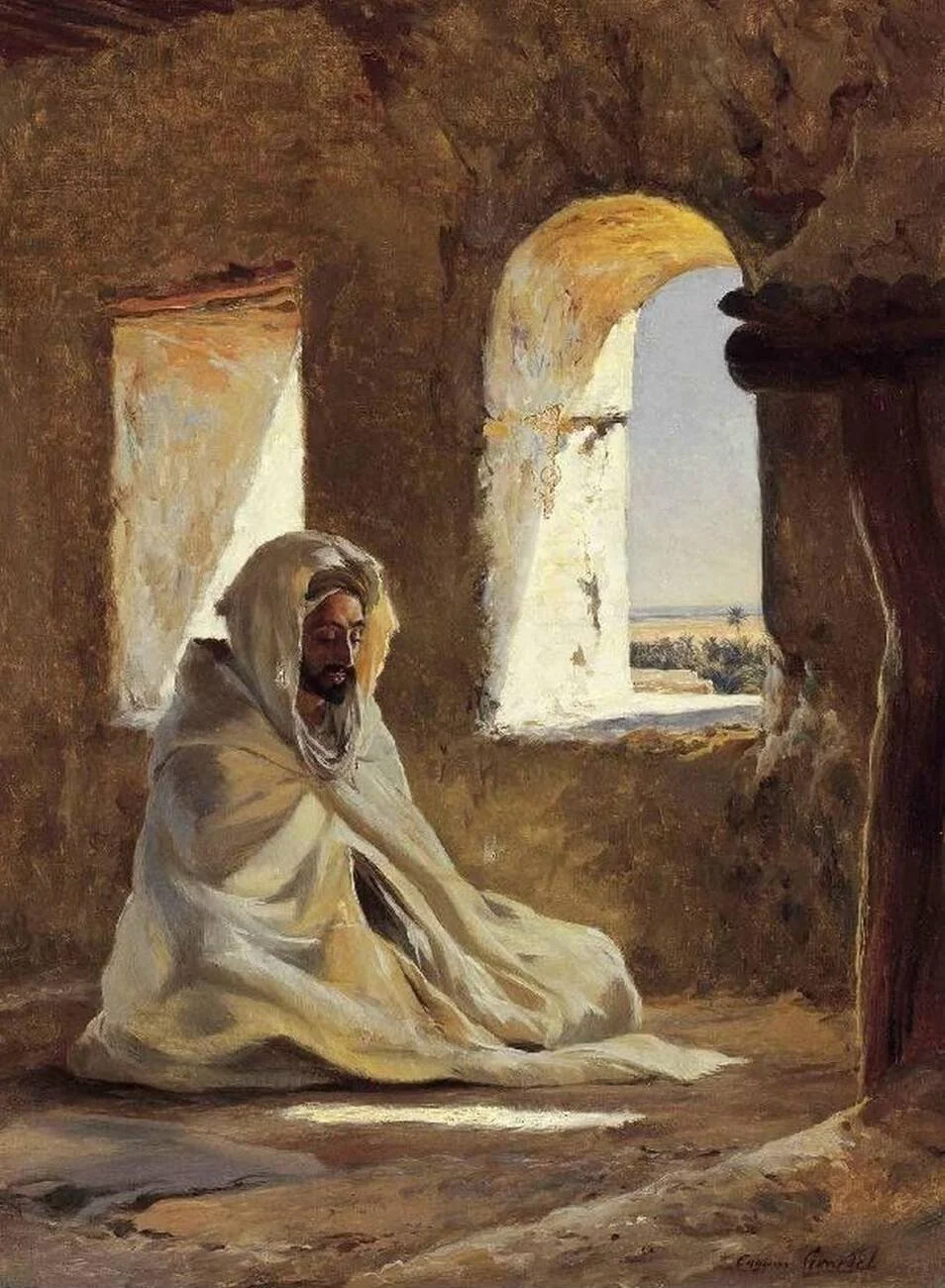
The Marabout Tradition of Morocco: An Idrīsid Phenomenon
This study argues that ribāṭs represent the earliest form of institutional Islam in Morocco, emerging in the 3rd/9th century as a spatial and social response to Idrīsī political fragmentation — not as creations of the Murābiṭūn or juridical institutions shaped by Mālikī orthodoxy. The marabout tradition that defines Morocco's religious landscape was Idrīsid before it was Almoravid. By re-centering ribāṭs as foundational Idrīsī structures, this article reframes Moroccan Islamic history around continuity, genealogy, and territorial legitimacy.