The Ribaṭs of Morocco: An Idrisīd Phenomenon
This study argues that ribāṭs represent the earliest form of institutional Islam in Morocco, emerging in the 3rd/9th century as a spatial and social response to Idrīsī political fragmentation rather than as juridical institutions shaped by Mālikī orthodoxy. By re-centering ribāṭs as foundational Idrīsī structures, it reframes Moroccan Islamic history around continuity, genealogy, and territorial legitimacy.
The Ṭarīqa Revolution: the Niẓāmī Triplex Built the Marinid Civilization
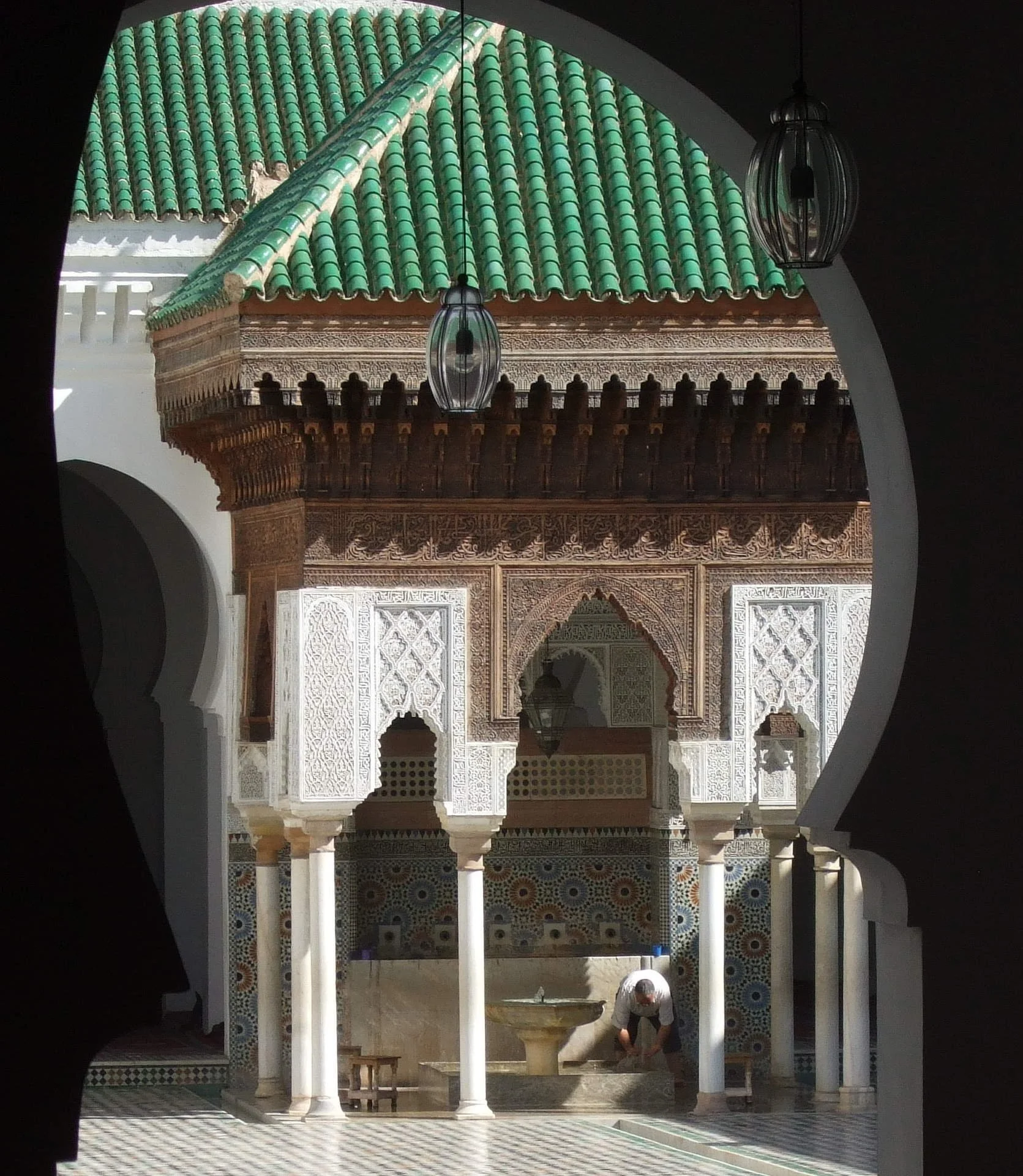
When the Marinids consolidated Morocco in 668/1269, they inherited fragmentation: no genealogical legitimacy, no tribal confederation, no Mahdist ideology. Their solution was systematic institutional construction—magnificent madrasas, expanded al-Qarawiyyīn, organized ṭarīqas. They introduced the Niẓāmī triplex: Mālikī fiqh, Ashʿarī kalām, and the institutional shaykh. But Morocco already possessed ribāṭs, Idrīsī shrines, and four centuries of sharīfian baraka that no institution could replicate.