
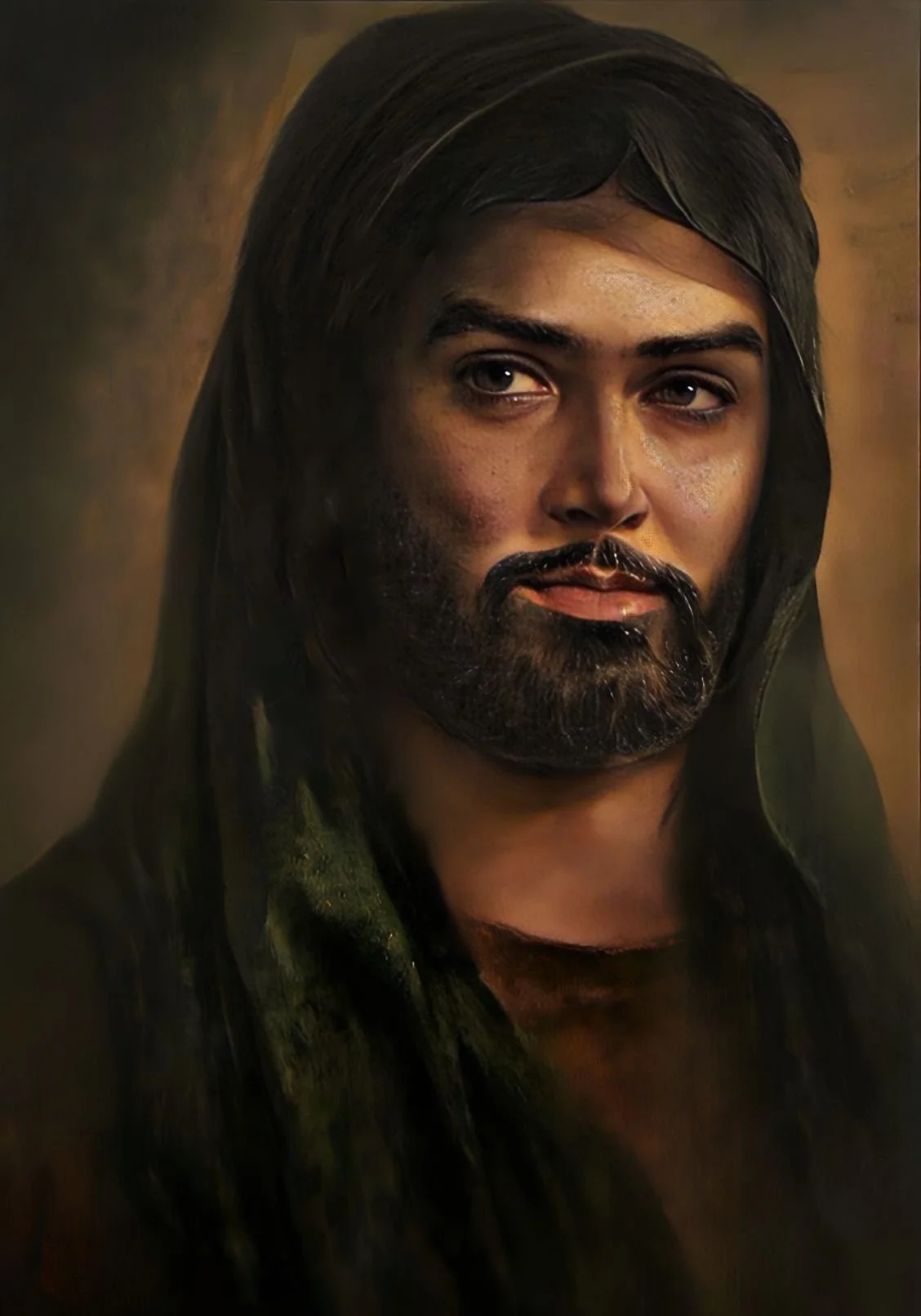
The Wasiyya That Was Never Written — and What Al-Dabbāgh Saw in Its Place
Ibn ʿAbbās called it the greatest of calamities. A Ḥasanī sharīf in eighteenth-century Fez names it from direct vision — and his compiler writes it down, argues against half of it, and cannot suppress any of it. Al-Ibrīz is the most canonical text of Moroccan Sufism and its most conflicted.
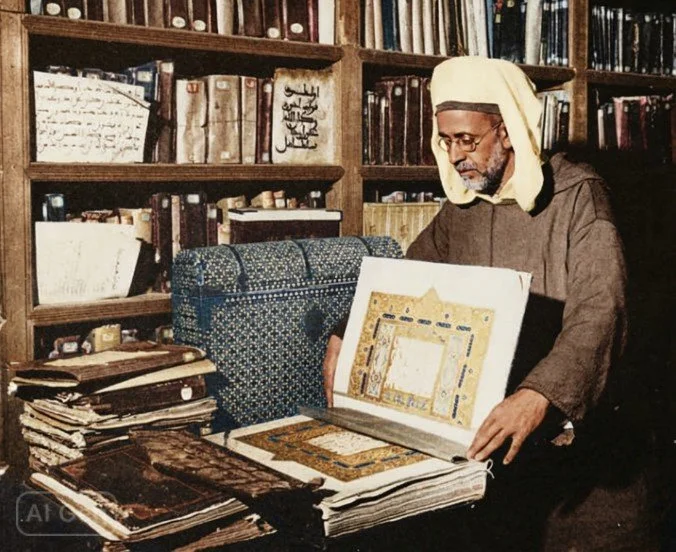
Beyond the Intellect: What Sufism Knows That Philosophy Cannot Reach
In 18th-century Morocco, an illiterate saint's mystical unveilings became the most sophisticated theological weapon of his era. A close reading of how Al-Ibrīz weaponized kashf against rationalist and Shīʿī rivals — and reversed the Niẓāmī Triplex in the process.
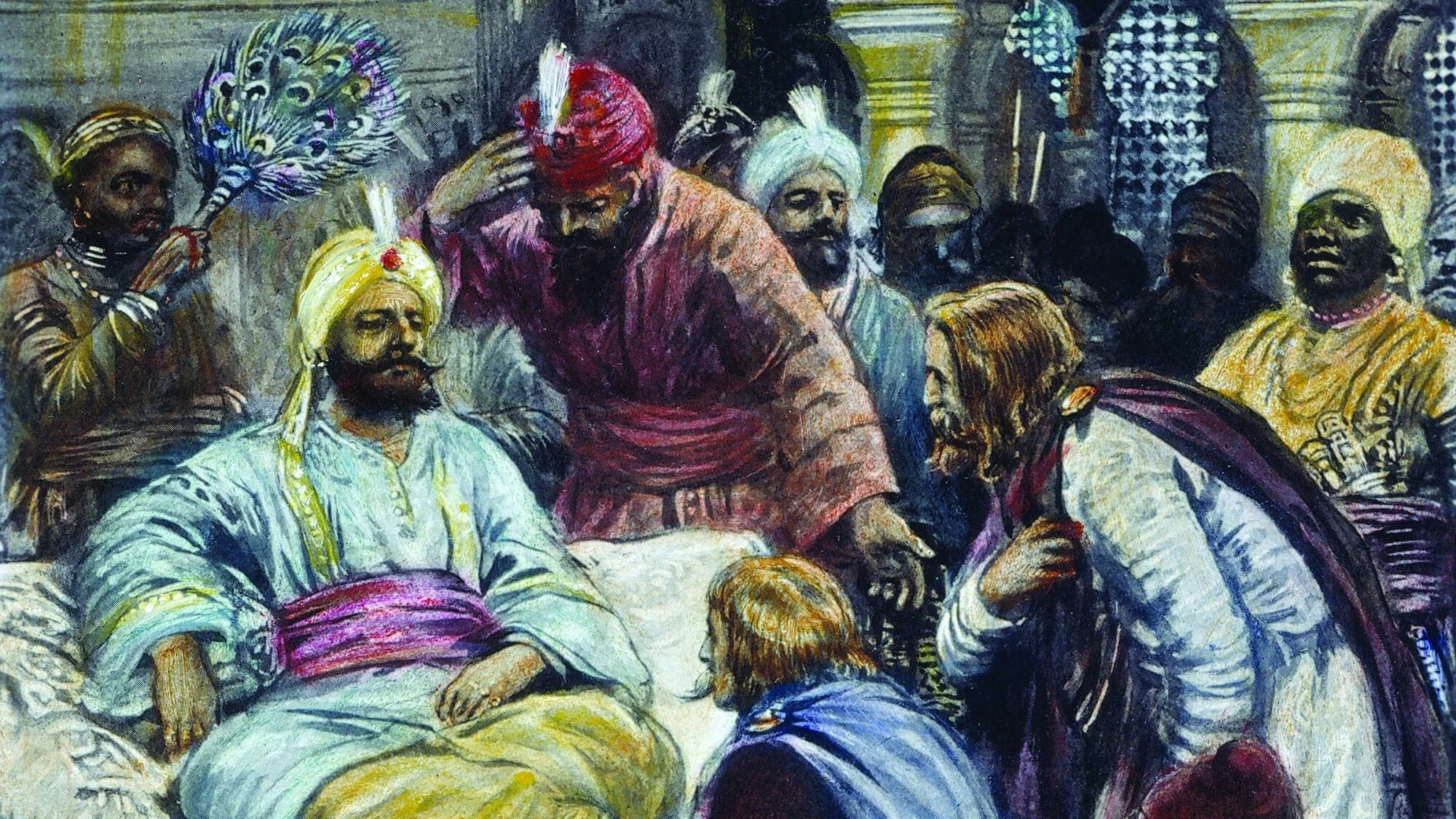
Sainthood Cannot Be Certified: Al-Dabbāgh and the Collapse of the Niẓāmī Model
A critical study of institutional Sufism: from the Niẓāmiyya’s reshaping of sainthood to al-Dabbāgh’s redefinition of spiritual authority beyond institutions.