
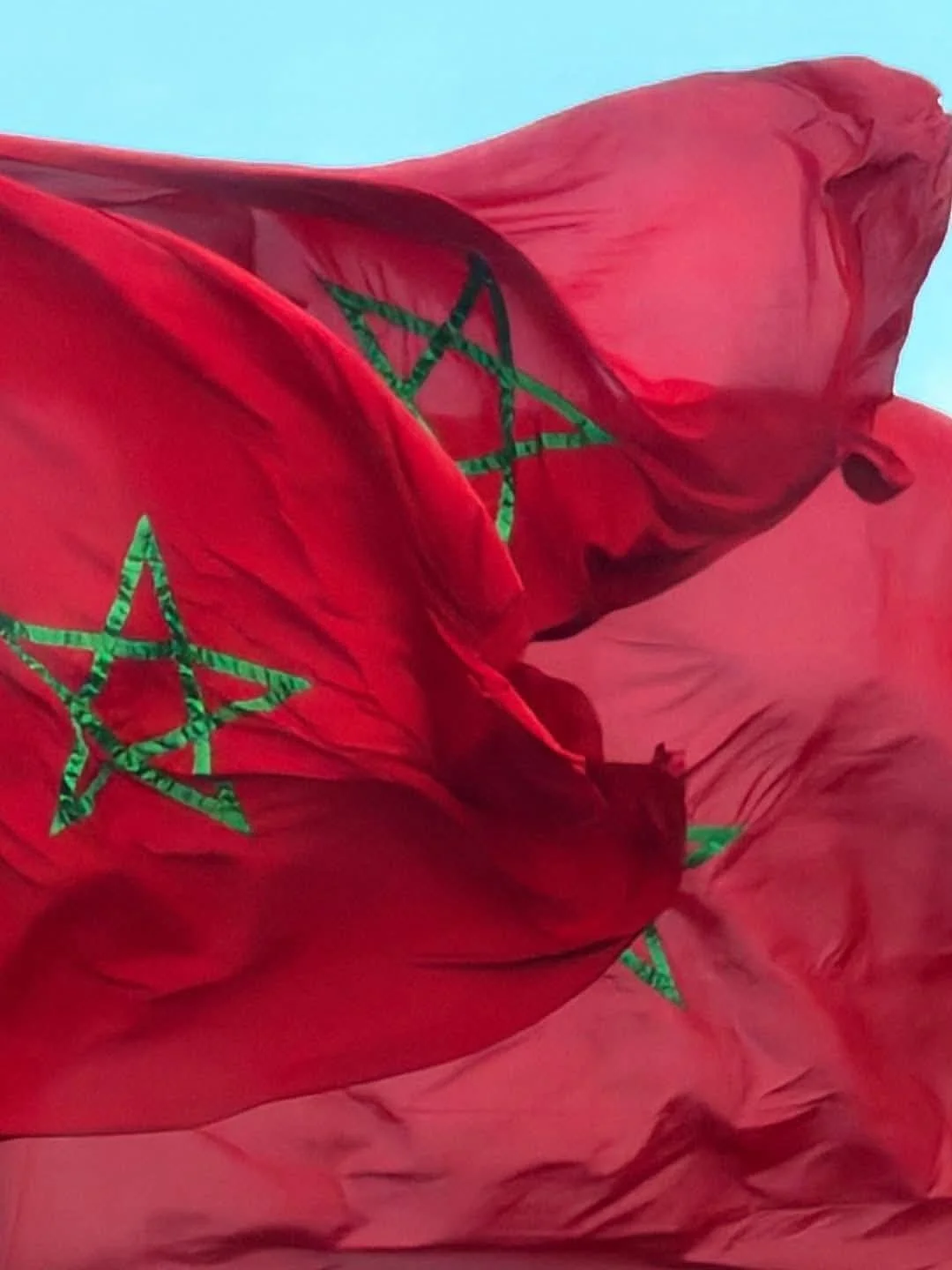
The Moroccan Sufi Experience and the Making of Islamic Civilization
Moroccan Sufism is often described as a regional expression of an Eastern Islamic model. This study argues otherwise. It proposes that Morocco represents a civilizational exception, shaped from its origins by sharīfian authority rooted in the Idrīsid foundation. Long before the formalization of Sufi orders or the Ghazālian synthesis, prophetic descent structured religious legitimacy, social authority, and political imagination in the Maghrib. The encounter between this Idrīsid inheritance, imported Sunni Sufism, and the Andalusian metaphysical current produced a uniquely Moroccan configuration in which sanctity functioned as public authority and the zāwiya became a central institution of civilization.
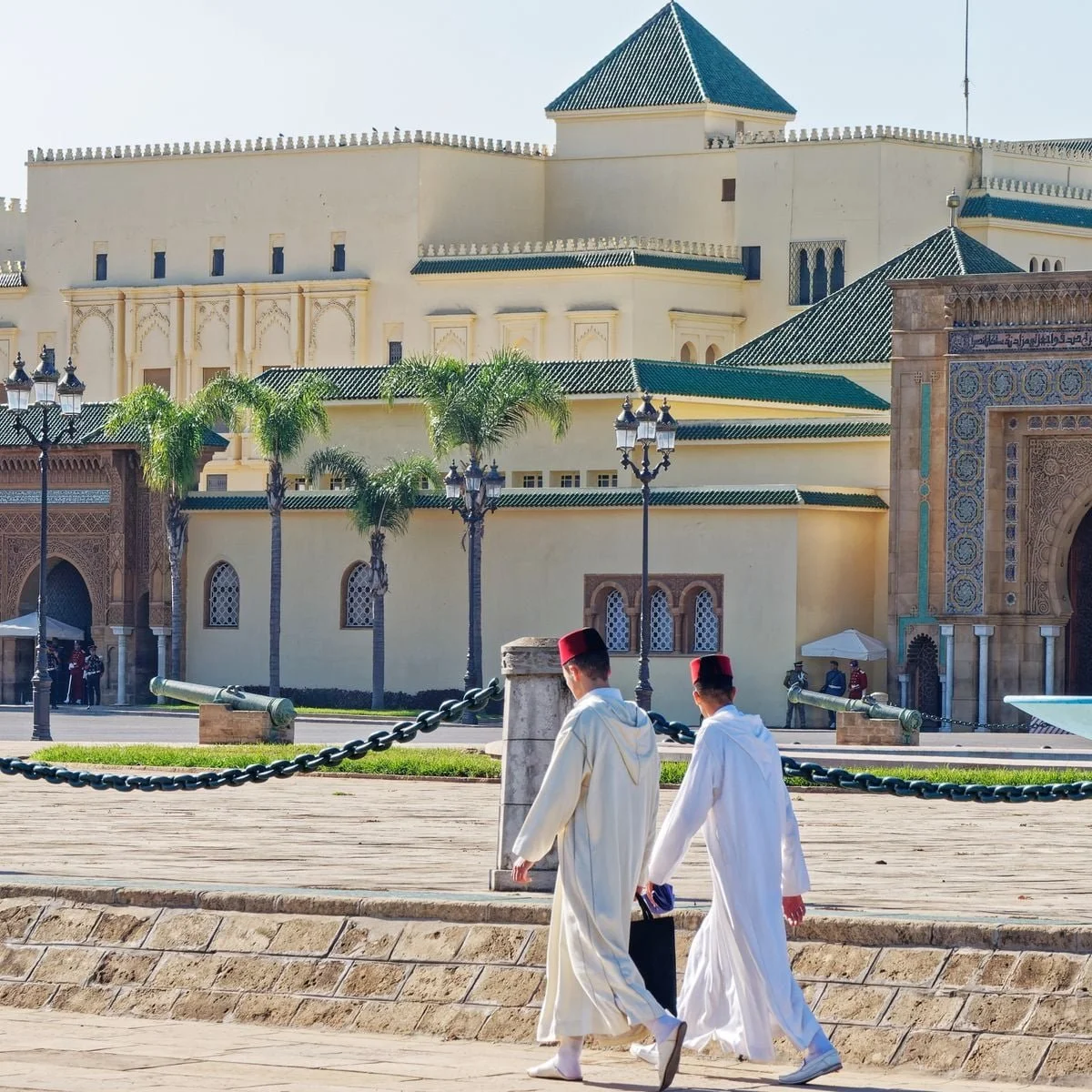
Caliphate, Wilāya, and the Moroccan Exception: How Saints Sustained Islam Beyond Political Power
How Morocco sustained Islam after the decline of the caliphate through wilāya, sharifian authority, and the Makhzan—forming a durable post-imperial Islamic model.
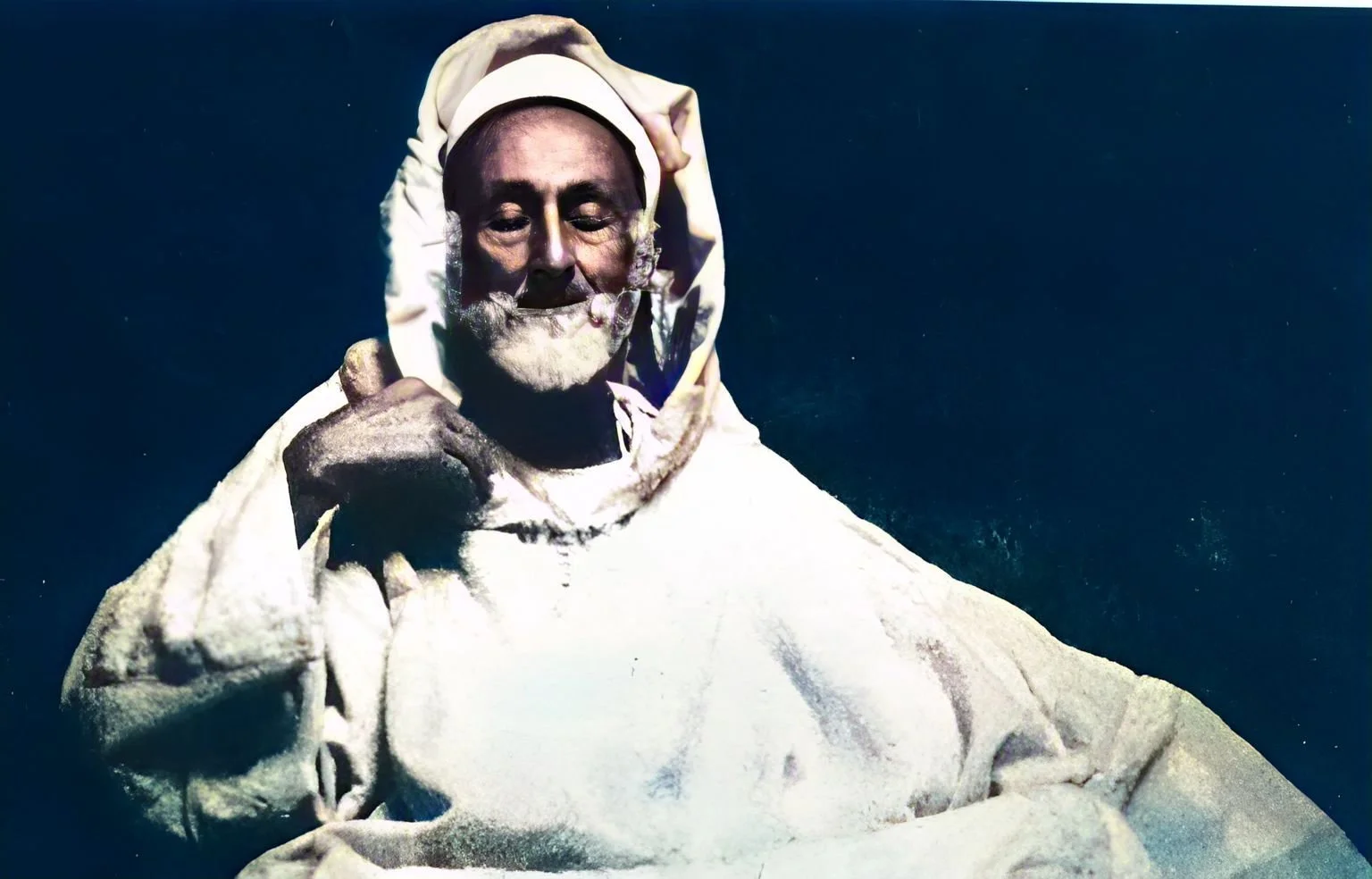
What Lies at the Heart of Sufism
This article explores Sufism as Islam’s inner path, tracing its hidden dialogue with Sunni and Shīʿī thought, its metaphysics of inheritance, and Morocco’s unique transformation of sanctity into political theology.